Gum-health evaluation
We assess your gums and supporting tissues, including pocket measurements, recession, and signs of inflammation. Imaging may help us evaluate bone support.


The thought of oral surgery and periodontal care may seem daunting. Laser dentistry utilizes a highly-focused beam of light to perform a wide variety of treatments and procedures. Laser therapy can be used in place of more invasive surgical procedures for more comfortable, efficient, and cost-effective treatment for our patients.

Soft-tissue lasers are more gentle, less invasive, and help you recover faster than traditional dental tools like scalpels. Thanks to our investment in modern laser tools, our dentists can provide faster, simpler, and more precise treatment for our patients. Get in touch with us to learn more about the benefits of soft-tissue laser therapy today.

The first dental laser was approved by the FDA in 1990, and was a soft tissue laser primarily used for periodontal (gum) treatment.

Paying for your dental care shouldn’t be a chore. That’s why we make it easy with a range of payment options, so you can get your smile on the right track.


Smile Makeovers · Mira Mesa, San Diego
A smile makeover begins with your story. Discover a thoughtful approach to cosmetic and restorative dentistry—designed around your features, your health, and the smile you have in mind.
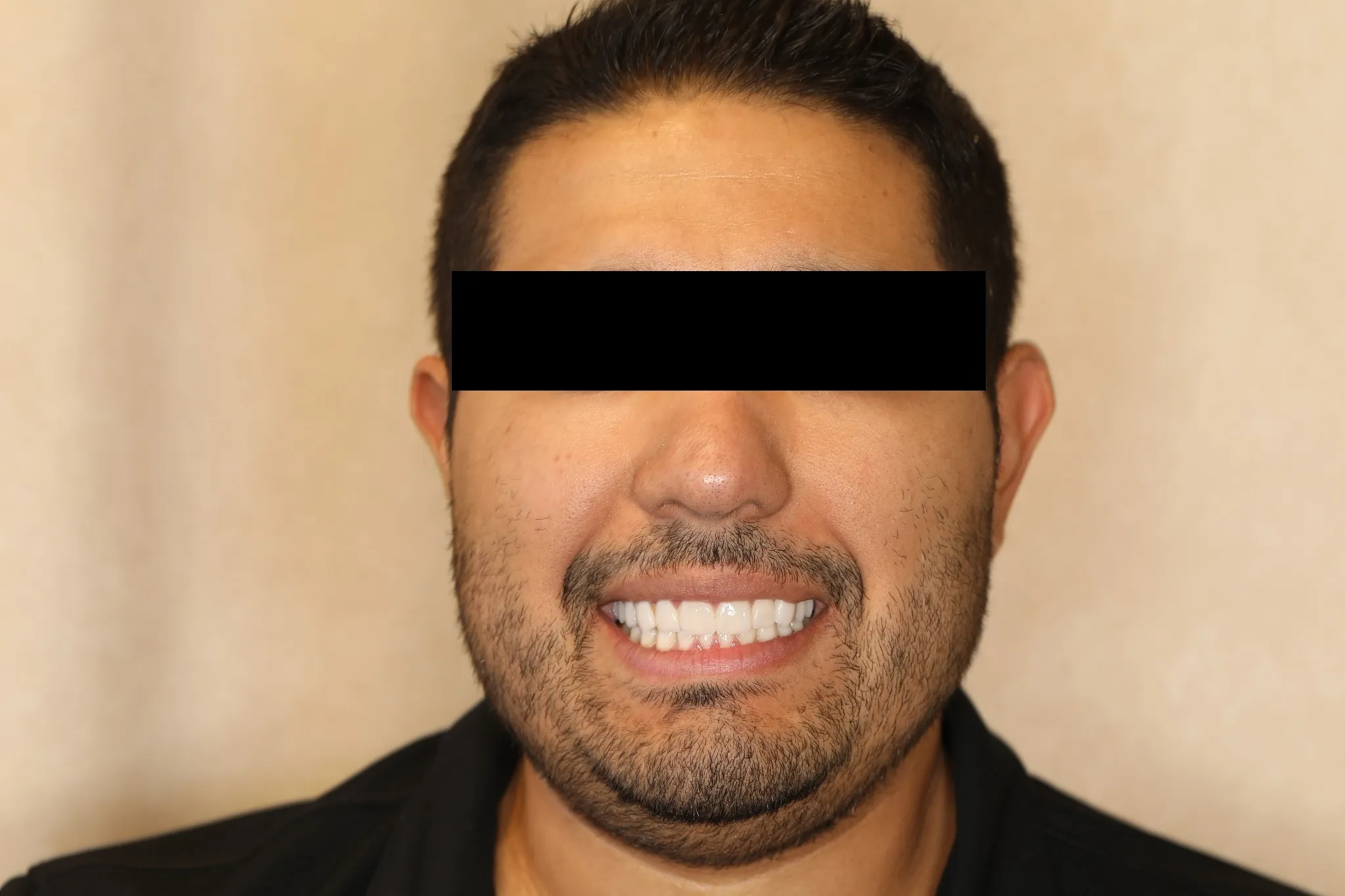
A personal approach to comprehensive care
The shape of a tooth. The balance of a smile. The way your bite comes together. Each detail belongs to a bigger picture.
At Flawless Dental Studio, we bring cosmetic and restorative care together in a plan that considers your goals, facial proportions, gum health, and dental function. From a focused refinement to a more comprehensive transformation, your care starts with understanding you.
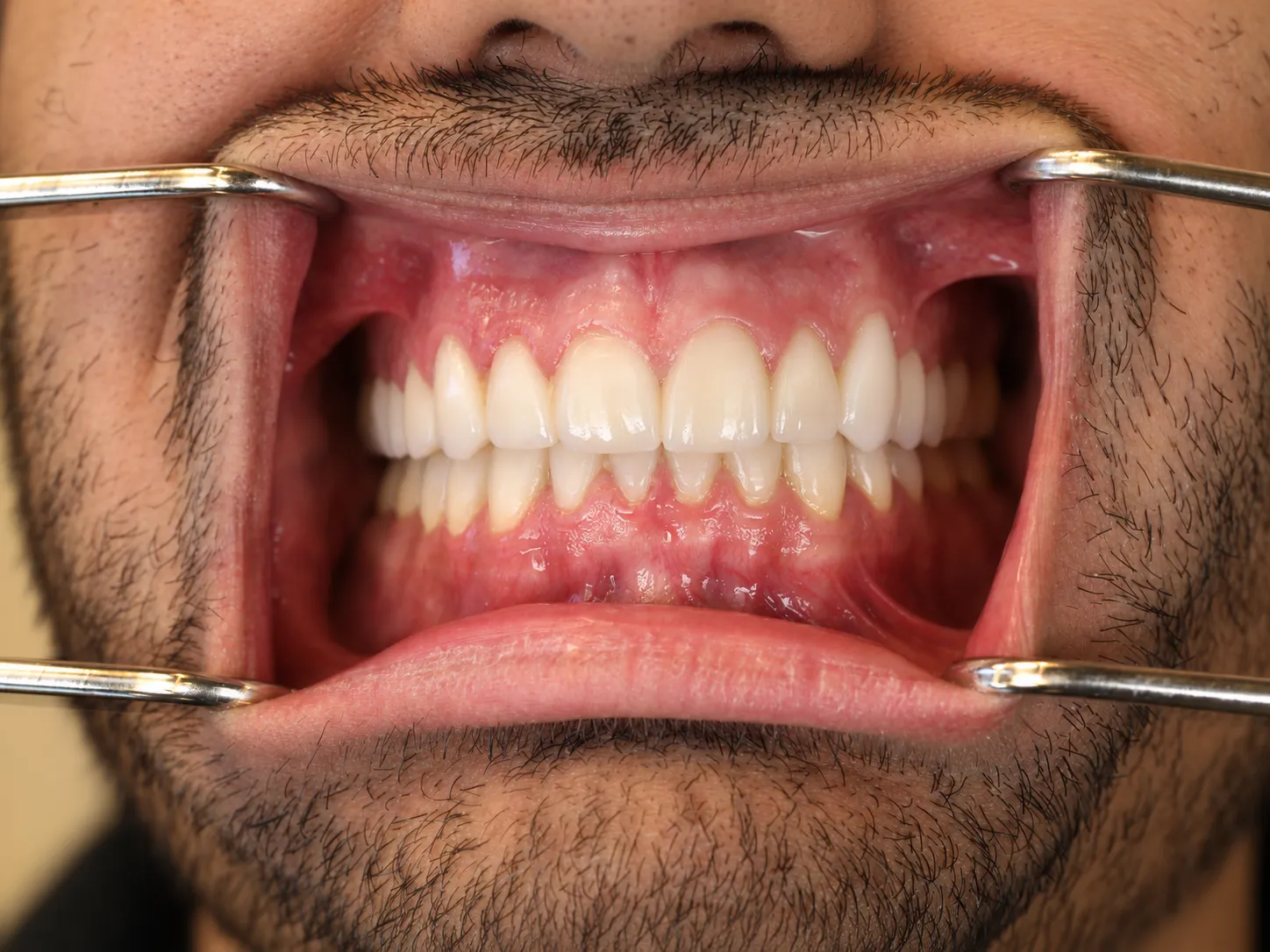
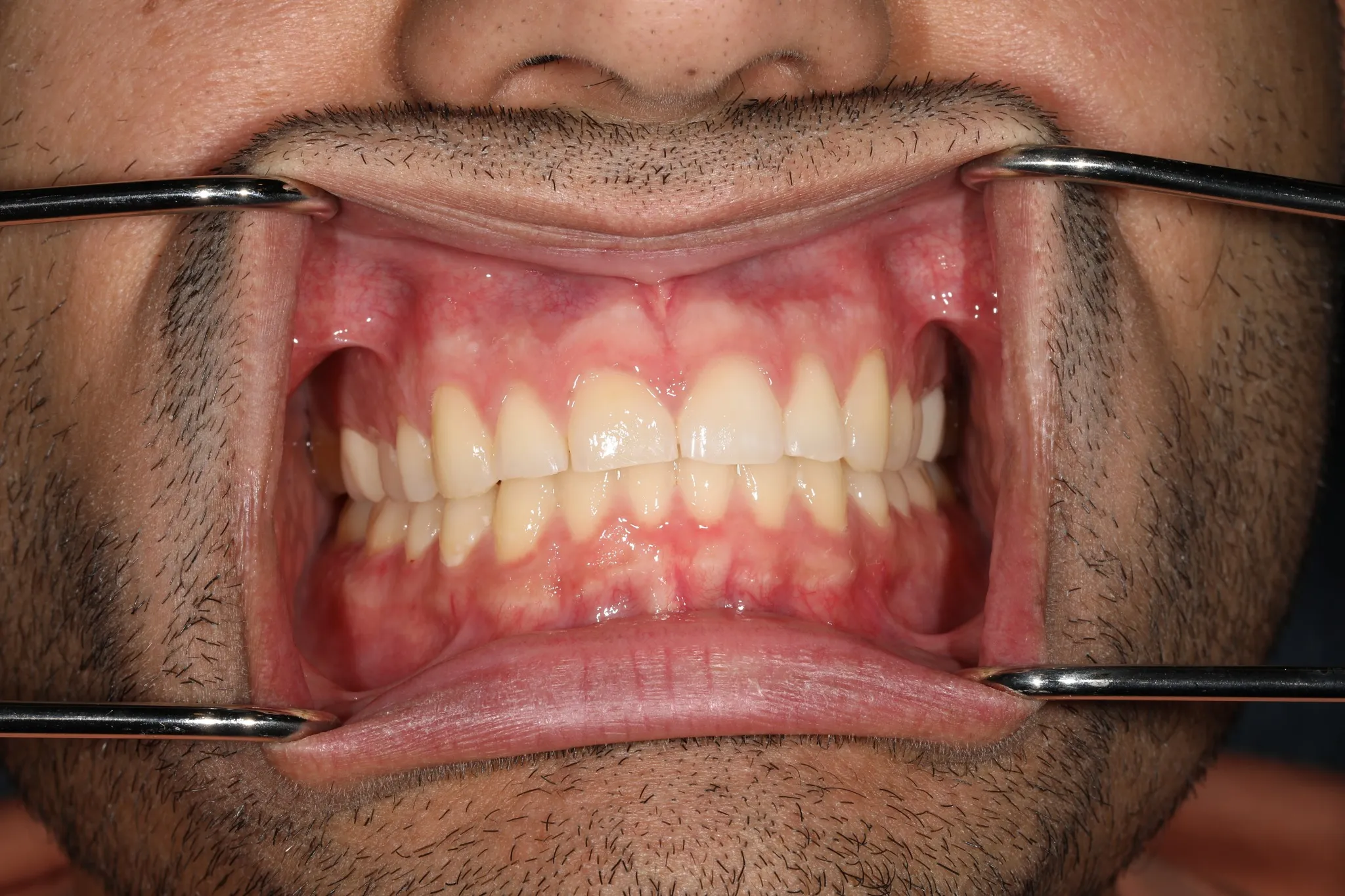
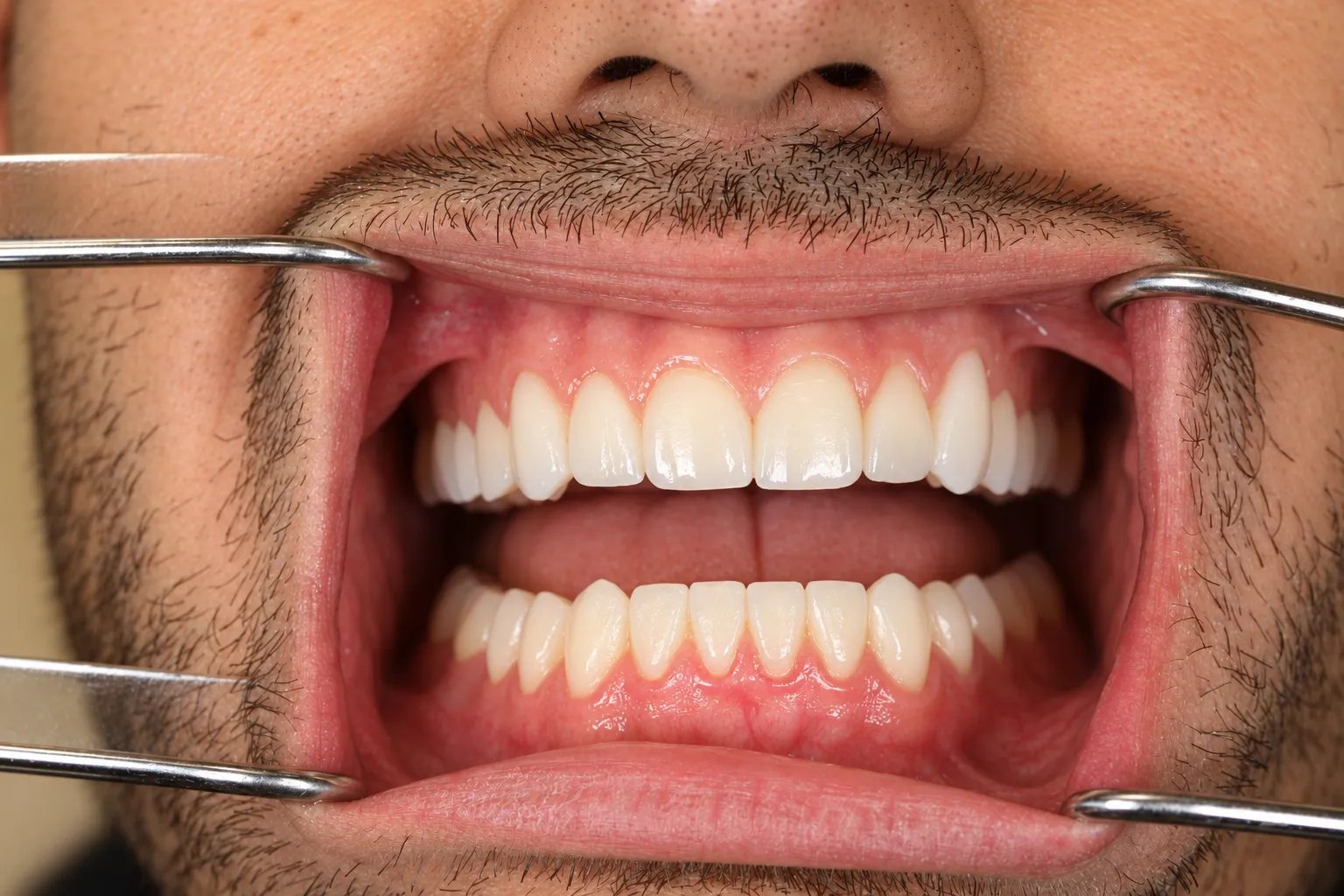
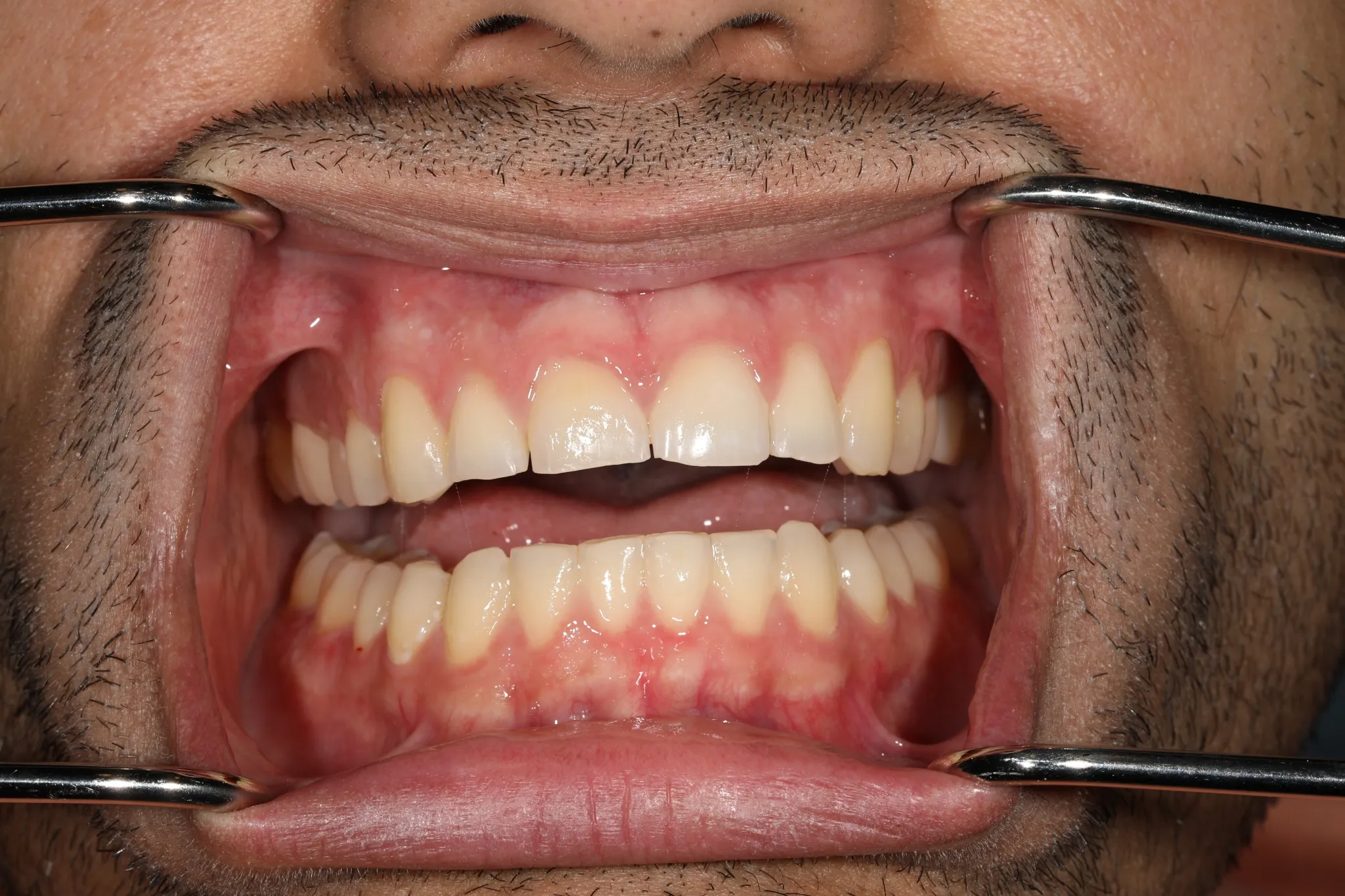
Featured transformation · Invisalign + 20 minimal-prep veneers
This patient’s smile makeover brought together dentofacial analysis, bite correction, selective crown lengthening, and veneers for both the upper and lower smile.
The patient wanted a beautiful smile. His treatment plan considered how his teeth related to his face and how his bite came together, then coordinated each stage of care.
Explore His Treatment JourneySame patient before and after treatment. Individual treatment plans and results vary.
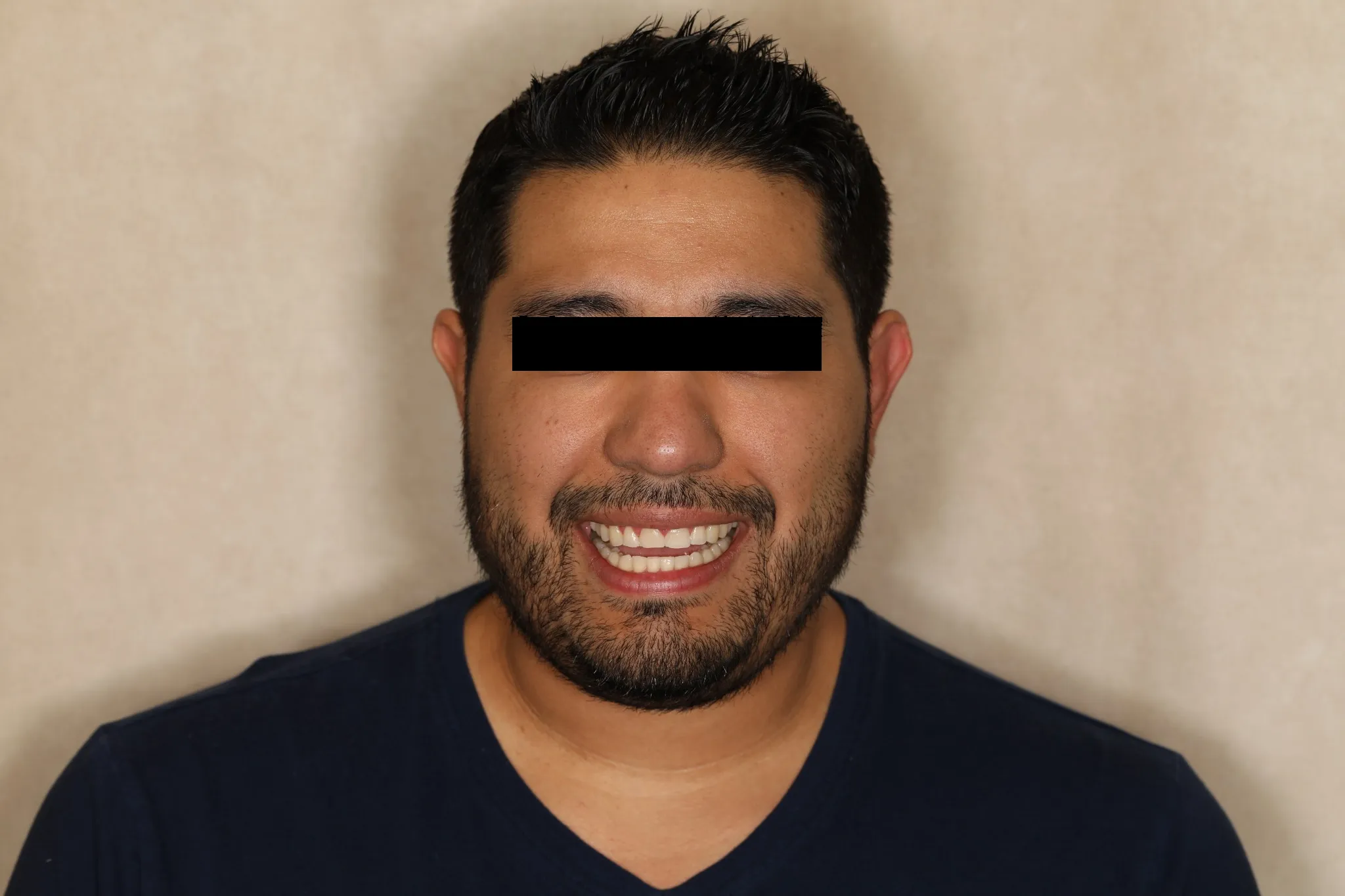
A coordinated treatment journey
Facial proportions, smile display, and the relationship of the teeth to the face informed the plan.
Clear aligner treatment was used to correct the occlusion before the veneer phase.
Slight crown lengthening was performed on selected anterior teeth.
Ten upper and ten lower veneers completed the smile the patient wanted.
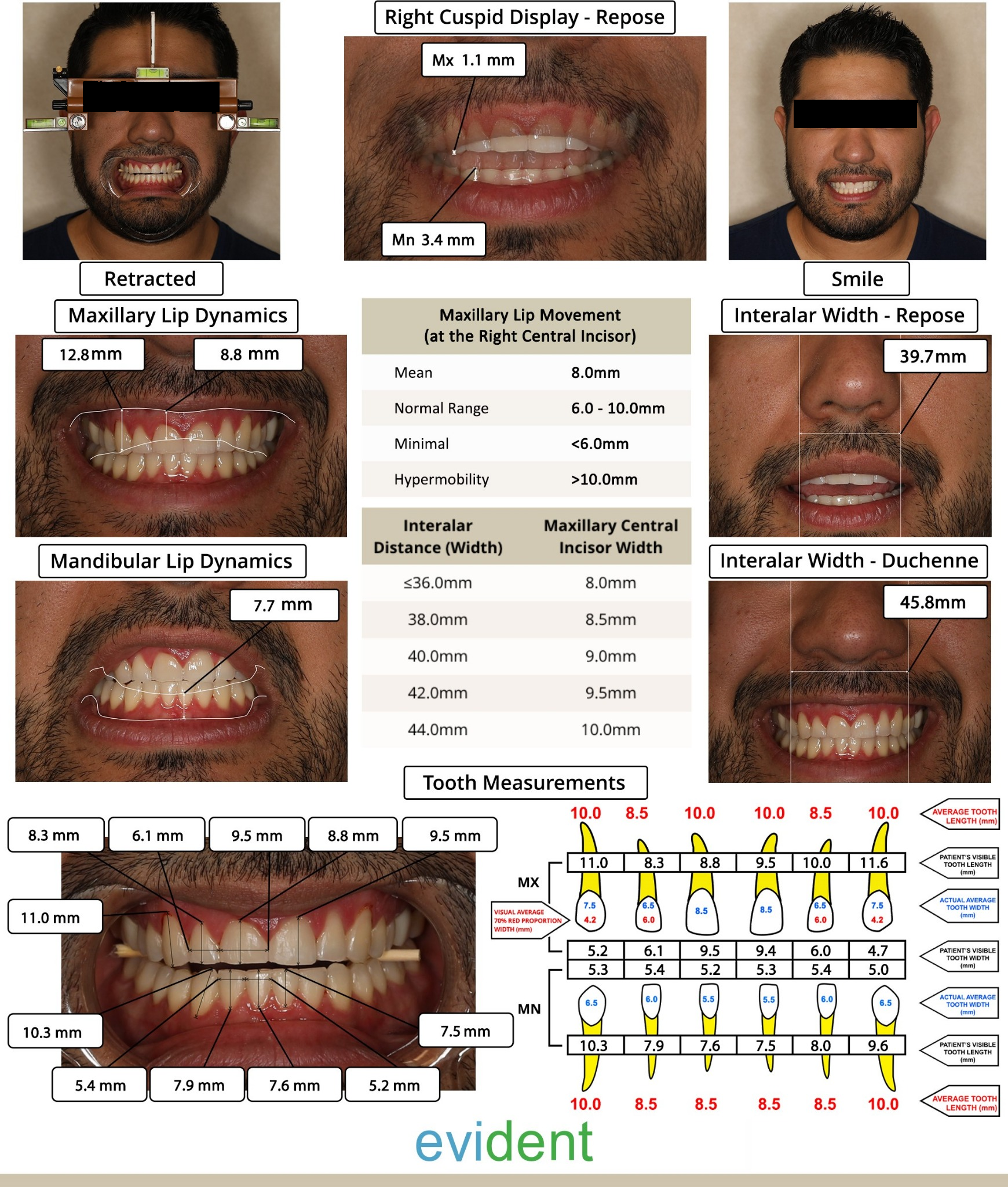
Dentofacial analysis · The featured patient’s planning record
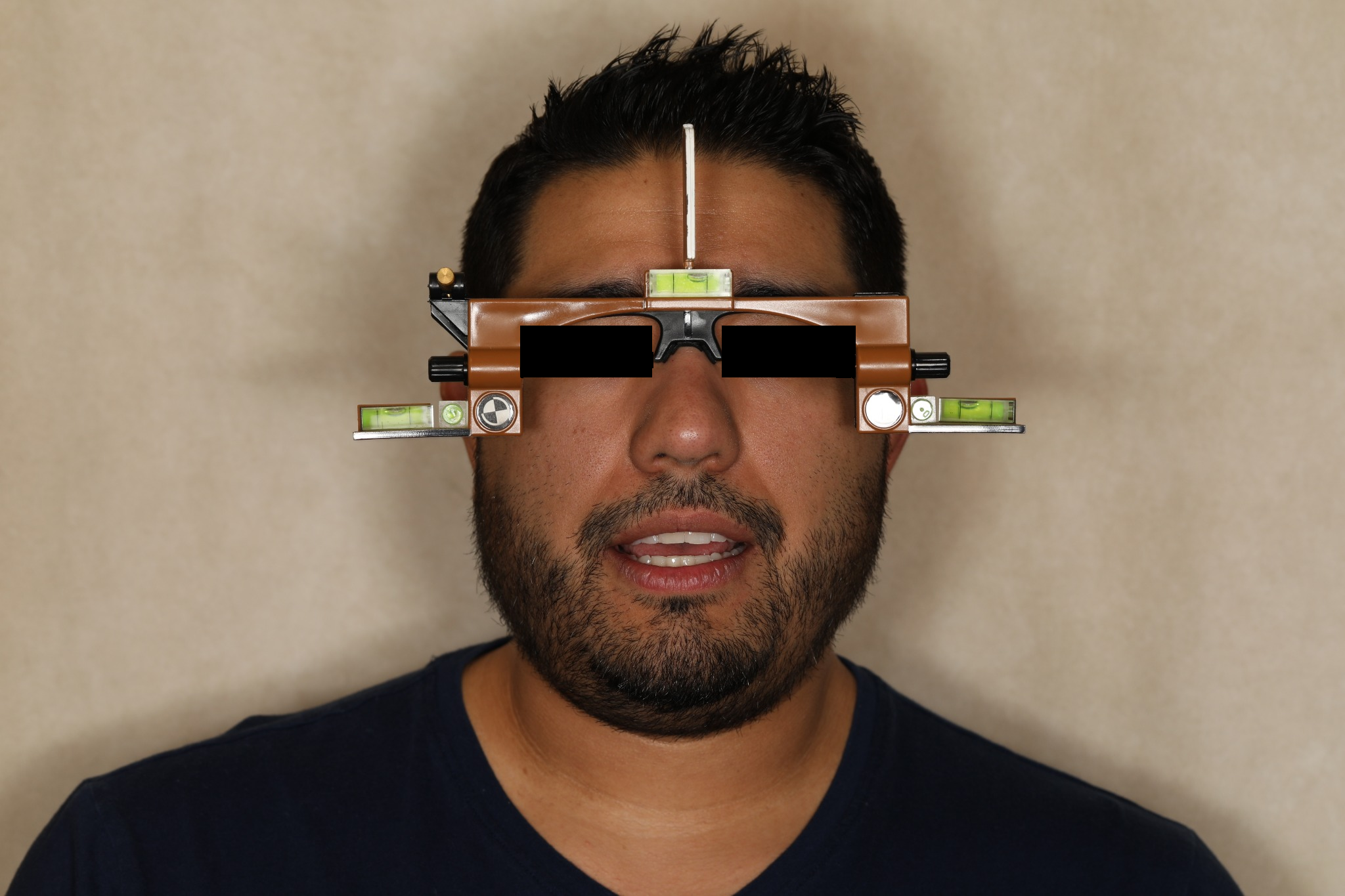
This case began with facial reference photography and dentofacial analysis. These records helped bring the patient’s facial proportions, smile display, and tooth relationships into the treatment plan.
Facial proportions and smile context
Lip movement and tooth display
Tooth dimensions and proportions
The result, in detail
Drag each comparison to explore the clinical photographs.
A patient story · Six porcelain veneers
A smile she already loved, refined with six porcelain veneers. The portraits show the overall result; the close-up shows the details.
Her treatment focused on refining the smile while keeping the overall result personal. See the starting point, the finished portrait, and the clinical close-up of the same case.
Explore the Full Veneer StoryActual patient photographs. Individual results vary.
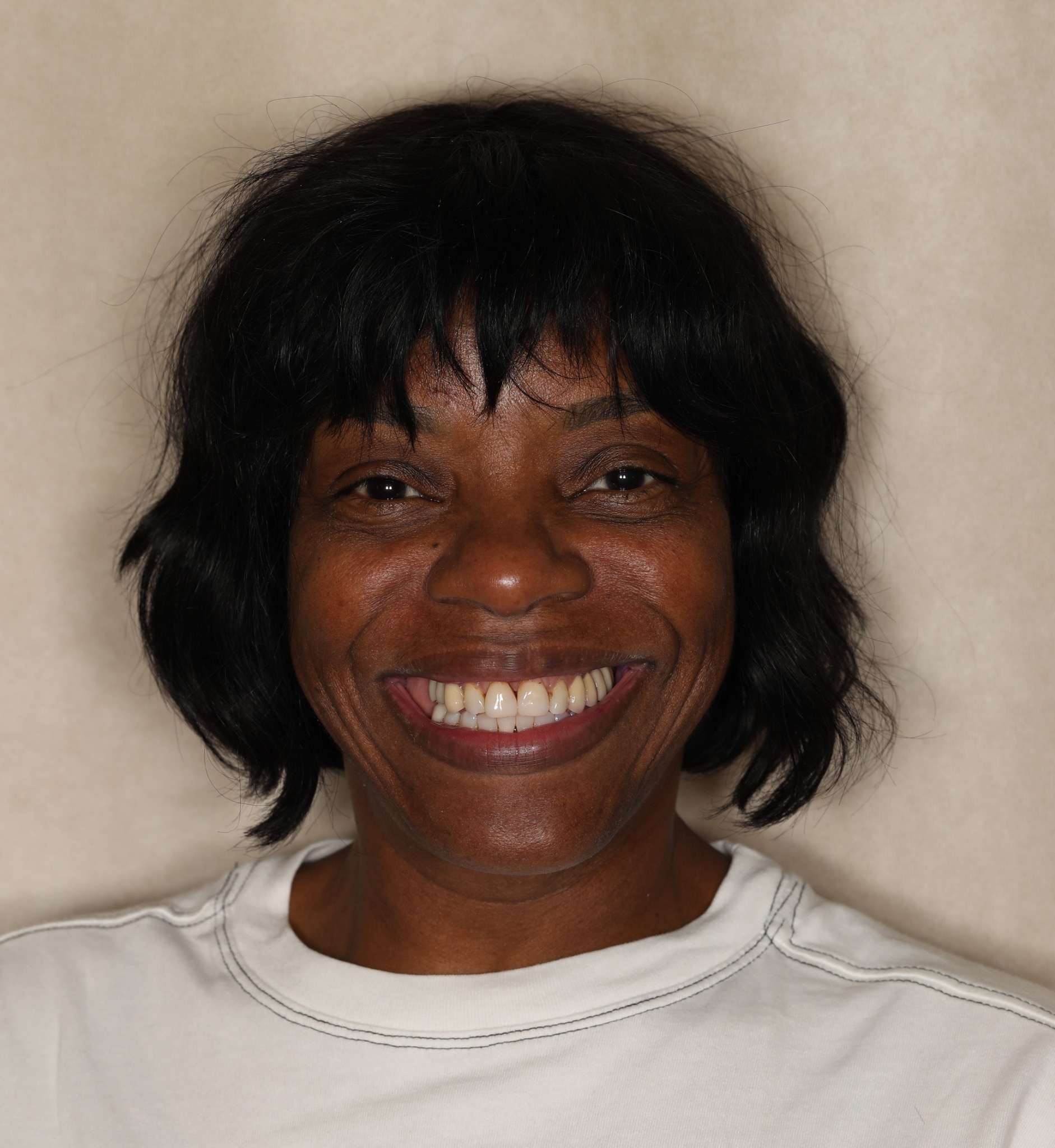
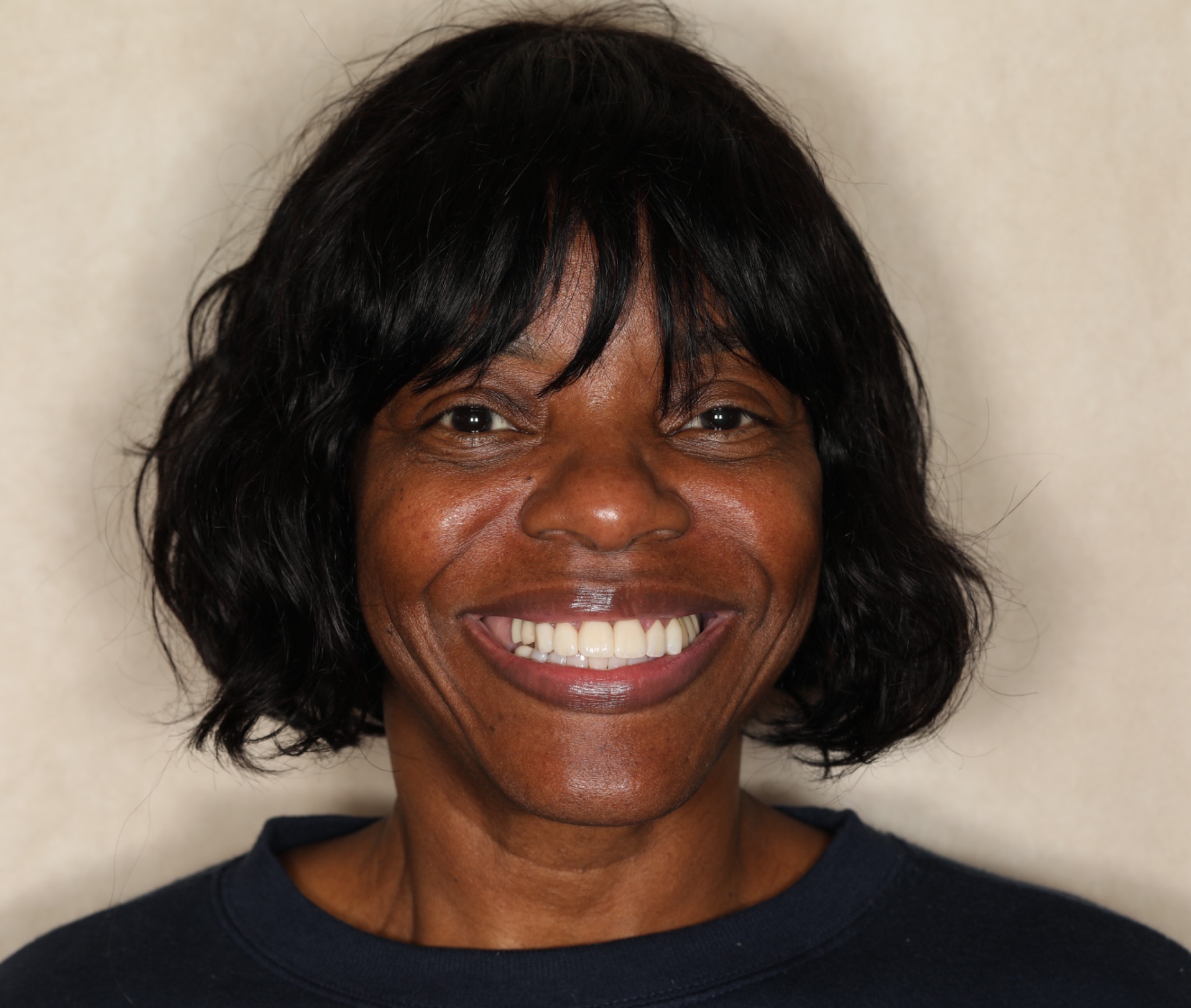
A closer look
Drag the comparison to explore the before-and-after close-up from this case.
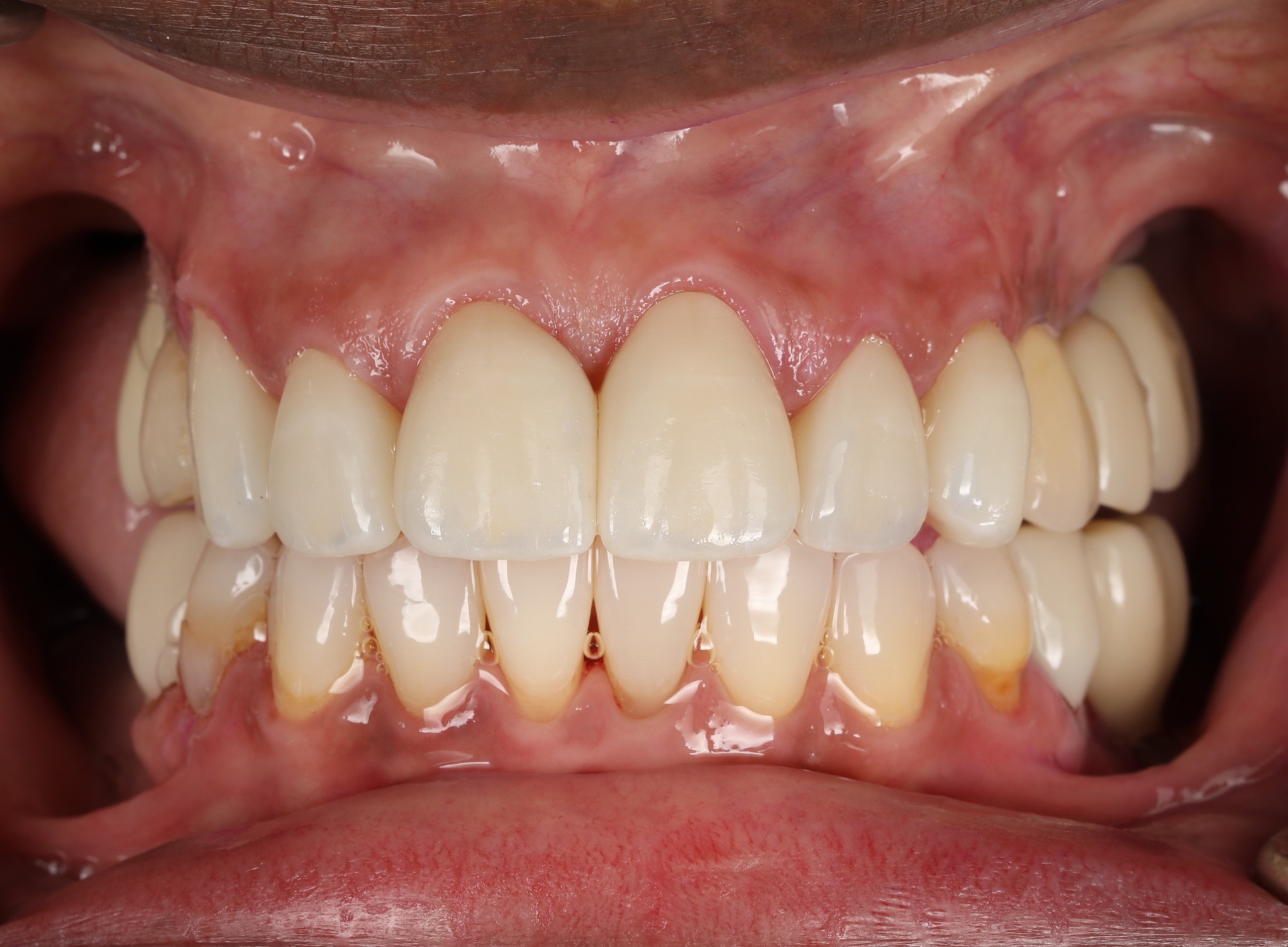
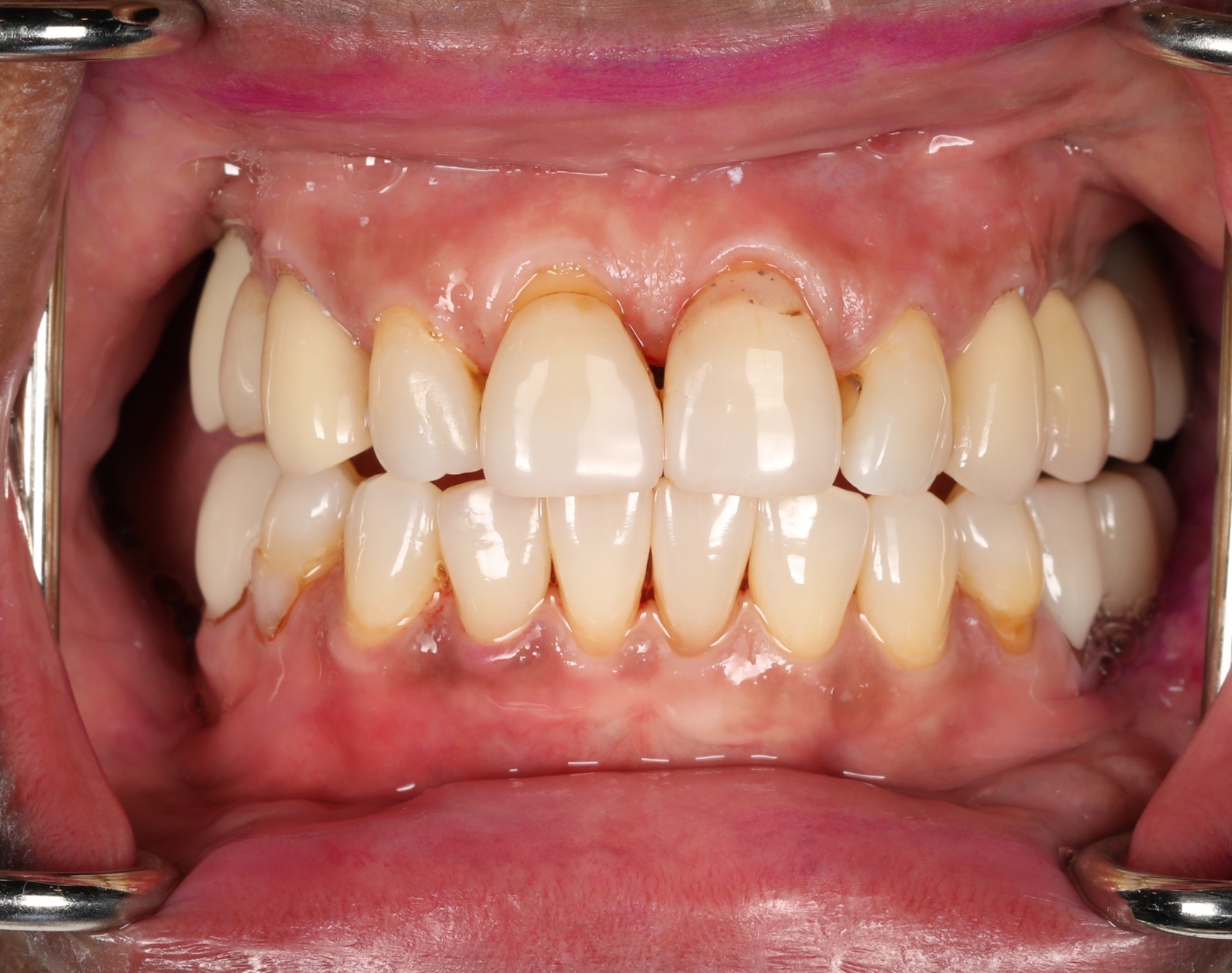
More real patient transformations
Every starting point is different. Explore more cases from our practice and the possibilities a personalized plan can bring.
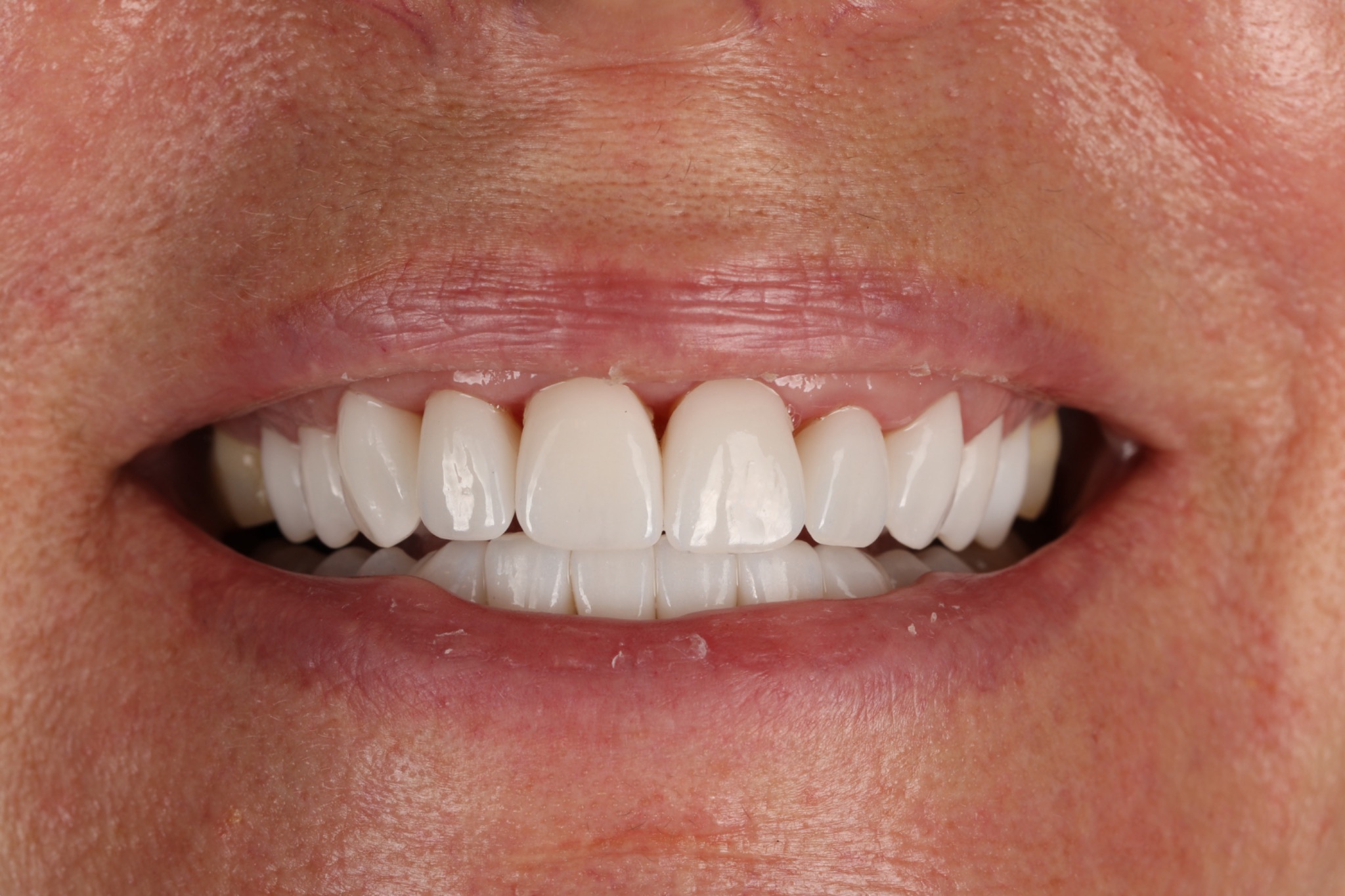
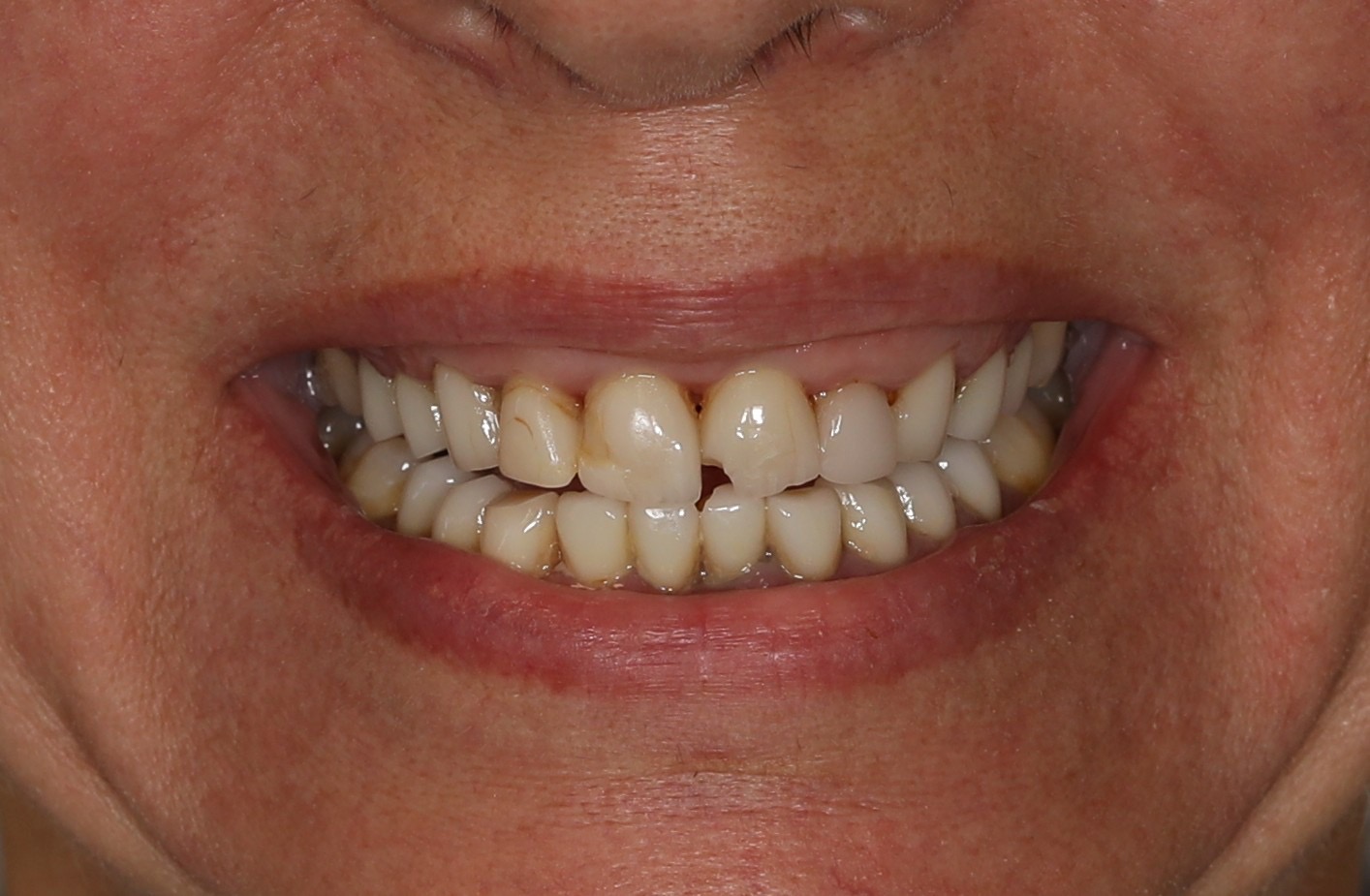
Replacement of worn, fractured veneers
Careful planning brought a new chapter to a smile with older, worn veneers.
Explore the veneer case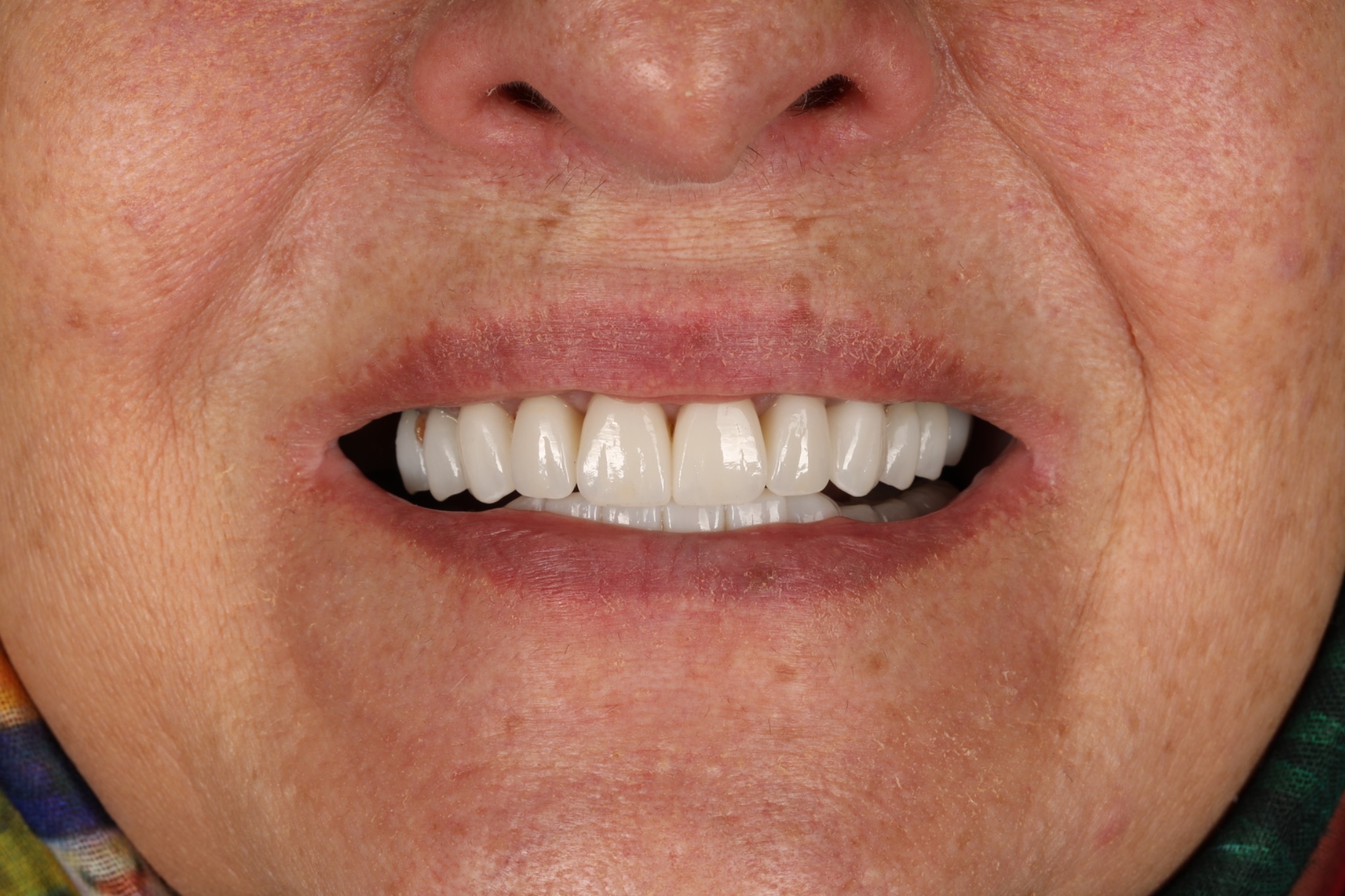
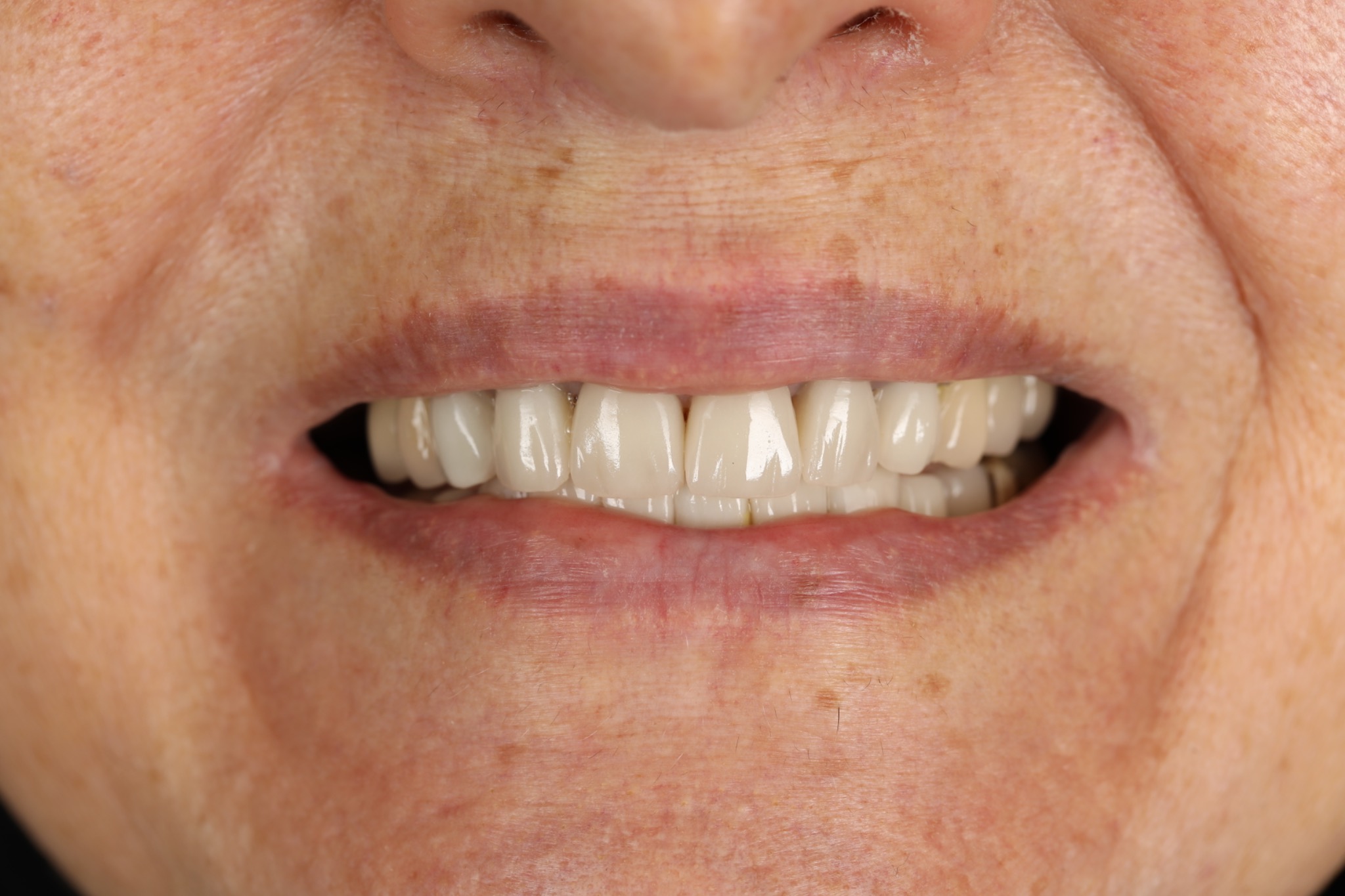
10 upper + 10 lower replacement veneers
Twenty replacement veneers brought a more uniform appearance to an already beautiful smile.
Explore the veneer case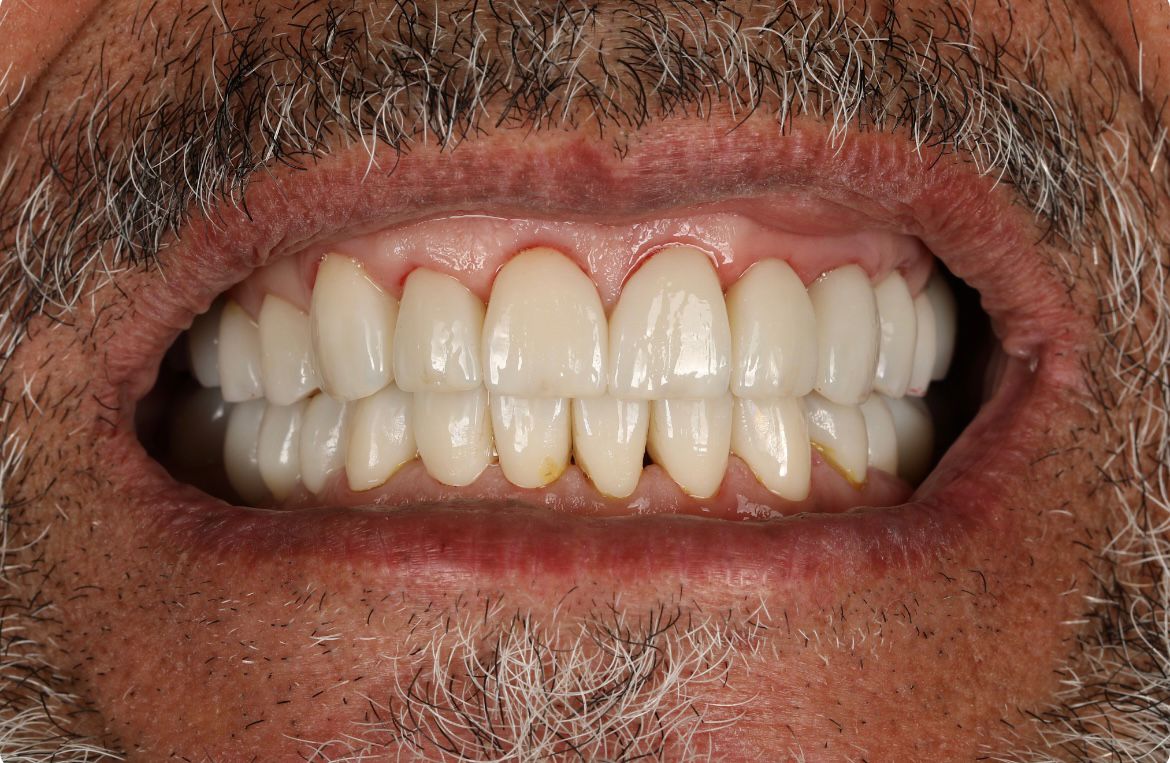

Smile makeover · Patient case 1
A real patient transformation from our smile makeover portfolio.
Discuss your possibilities
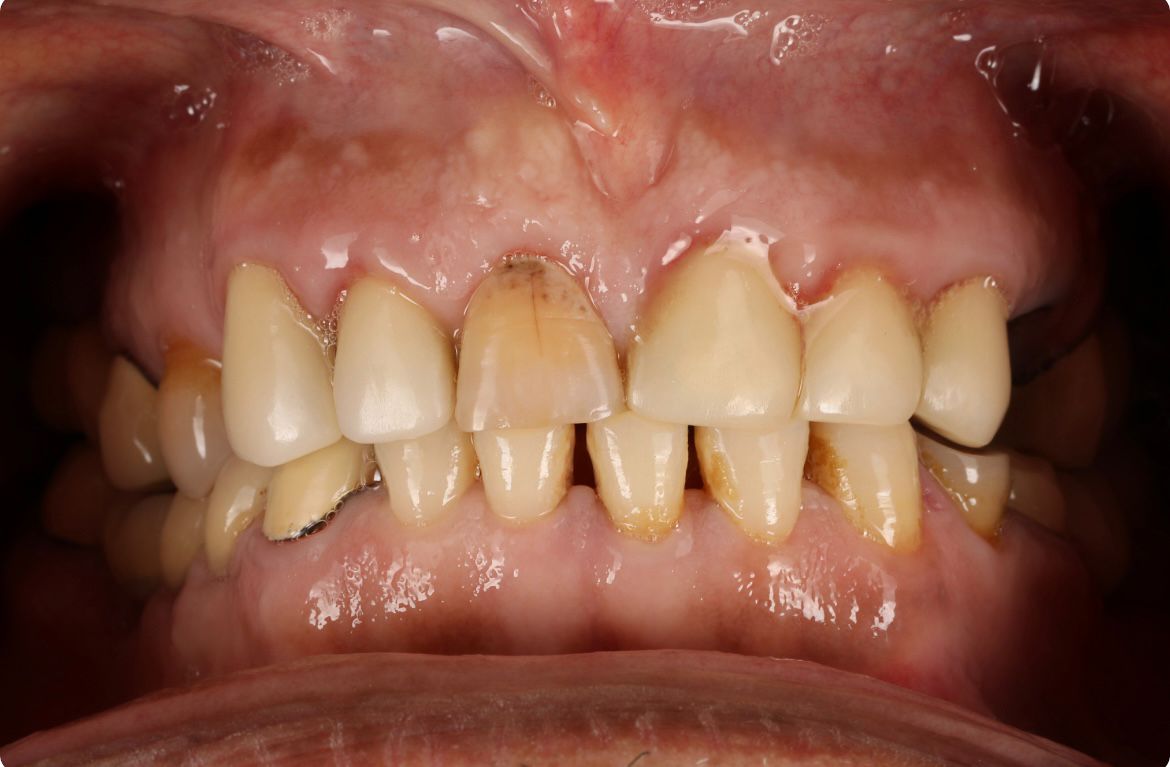
Smile makeover · Patient case 2
Different starting points call for an individual treatment plan.
Discuss your possibilitiesActual patient photographs from Flawless Dental Studio. Treatments and outcomes are individual; these examples do not guarantee your result.
The thinking behind your smile
Thoughtful smile design brings detailed records and clinical judgment together—so your choices make sense as a whole.

Clinical photography and facial analysis help us study proportions, smile display, and the relationship between your teeth and features.
Digital scanning and an assessment of your teeth, gums, and bite help build the foundation for your treatment plan. Imaging is recommended when clinically indicated.
When appropriate, digital mock-ups and wax models help us communicate the proposed changes and discuss what matters to you.
Review the recommended approach, alternatives, sequence, investment, and maintenance before deciding how to move forward.
The records and planning steps recommended for you depend on your individual needs. A mock-up communicates a proposed design and does not guarantee a final result.
Your plan may bring several treatments together
Your examination and goals guide the treatment recommendations. Explore some of the options that may form part of a smile makeover.
From first conversation to ongoing care
We help you understand each stage, the decisions ahead, and what your care may involve.
Share what you would like to change, the smile you have in mind, and any concerns about treatment.
Your examination and records guide the design, alternatives, treatment sequence, and estimated investment.
Proceed with the agreed treatment, with care coordinated across our team when your plan calls for additional expertise.
Review maintenance, follow-up, and any protective measures recommended for your treatment and bite.

A personal eye for detail. A comprehensive view.
Dentist & practice owner · San Diego native
Dr. Raufy’s passion for cosmetic dentistry is grounded in comprehensive care and continued education. He brings your aesthetic goals, oral health, and function into the same conversation.
His approach draws on coursework at the Kois Center and a commitment to careful planning, thoughtful communication, and dentistry tailored to each patient.
In-house specialty care can support your plan when additional expertise is appropriate.
Care that starts with understanding
“He takes the time to answer all your questions and genuinely cares about your comfort and long-term dental health.”
Before your first conversation
There is a lot to consider when changing your smile. We make time to explain the options and help you understand your next step.
Call (619) 516-0018A smile makeover is a personalized plan to improve the appearance of your smile while considering your oral health and bite. Depending on your needs, it may involve one treatment or a coordinated combination of cosmetic and restorative care.
Veneers are one option. Some patients may benefit from whitening, clear aligners, crowns, or another approach. We review your examination, goals, and alternatives before recommending treatment.
Photography, digital records, and a proposed mock-up or wax model may help us communicate the plan when appropriate. These tools support the discussion of your design; they do not guarantee an exact final result.
The timeline depends on your oral health, the treatments involved, and their sequence. We discuss an estimated schedule once we understand your needs. Plans involving orthodontics or implants may take longer than a focused cosmetic treatment.
The investment depends on the treatments and number of teeth involved. We explain the recommended plan, alternatives, estimated fees, and available payment arrangements before you decide.
We discuss what natural means to you and consider tooth proportions, color, facial features, and smile display in the design. The examples on this page show individual patient results; your treatment plan and outcome will be personal to you.
Your plan includes guidance for ongoing hygiene, maintenance, and follow-up. Retainers, a protective appliance, or other measures may be recommended based on the treatment and your bite.
Smile makeovers in Mira Mesa, San Diego
Bring your goals, your questions, and your story. We’ll help you explore the possibilities and understand a plan for your smile.
Flawless Dental Studio · 9750 Miramar Rd, Suite 380 · San Diego, CA 92126
Dental Implants · Mira Mesa, San Diego
From a single missing tooth to a full-arch transformation, implant care begins long before placement. We bring digital scanning, CBCT imaging, and thoughtful restorative planning together to design your next chapter.
The Flawless Approach
An implant is the foundation. The restoration above it is what helps you smile, speak, and chew. Planning those together matters.
We begin with the tooth—or complete smile—we want to restore. Then we evaluate how the implant position, surrounding bone, gum tissue, and bite can support that result. Your health, expectations, and ability to maintain the restoration are part of the conversation from day one.
Plan the smile first.
Build the foundation around it.
Digital Implant Planning
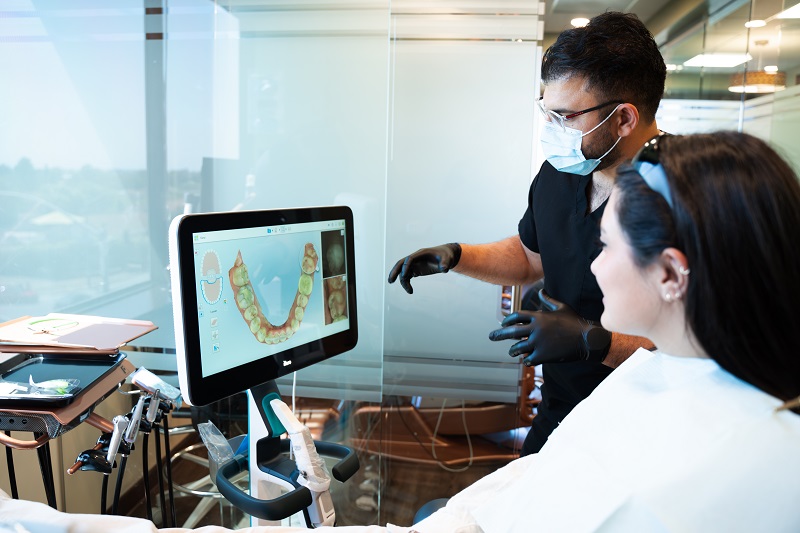
A surface scan and a CBCT scan answer different questions. Together with your examination, photographs, and goals, they help us understand both the visible smile and the anatomy beneath it.
An intraoral scan records the surfaces of your teeth and gums, along with how your teeth come together. These digital impressions help us design the future crown or full-arch restoration and assess the space available.
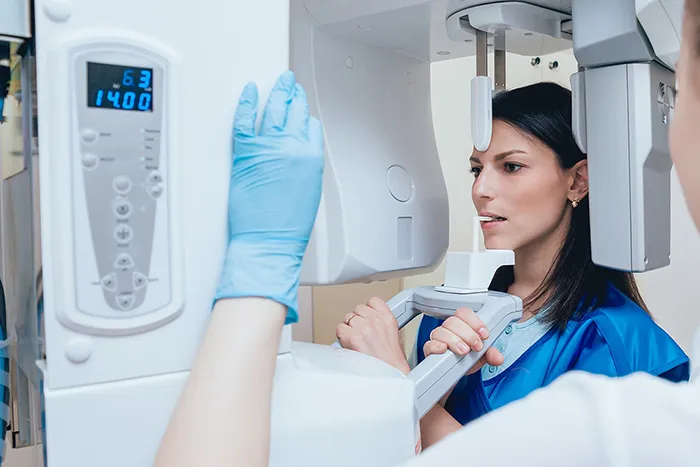
When clinically indicated, a cone-beam CT scan provides a three-dimensional view of jaw anatomy. It helps us assess bone dimensions and the relationship to structures such as nerves, adjacent roots, and sinuses.
For digitally guided cases, the surface scan and CBCT records are aligned in planning software. The proposed restoration helps guide implant position, angulation, and depth—along with decisions about any additional preparation.
Digital intraoral scanning uses light to capture surface detail. CBCT uses X-rays to show underlying anatomy; we select imaging based on the clinical information needed for your care. The examination and quality of the records remain essential to the plan.
How the Plan Guides PlacementSurgically Guided Implant Placement
A custom surgical guide helps transfer the planned implant position to your mouth. Its guiding channels help direct the instruments during placement, connecting the digital design to the surgical procedure.
The restoration leads the design.Implant placement is planned around the future tooth or arch, available bone, and nearby anatomy.
The guide supports the clinician.Guide fit and stability are checked at the appointment. Clinical judgment and verification remain part of every procedure.
The approach fits the patient.Guided placement, additional grafting, and the surgical approach are selected for your needs. A guide does not make every case suitable for the same technique.
How the Pieces Come Together
A planning aid, not a substitute for experience. Guided surgery has limitations and does not eliminate surgical risks.
The Single Anterior Tooth
Replacing a front tooth calls for careful attention to more than the crown itself. The implant position, surrounding gum contours, and relationship to neighboring teeth all influence how the restoration sits within your smile.
We assess the tissue support and available space, discuss any preparation needed, and plan a temporary tooth option when appropriate. The aim is a restoration that fits your smile and functions within your bite.
Thoughtful planning considers what you see—and what supports it.
Featured Patient Case · Anterior Implant Dentistry
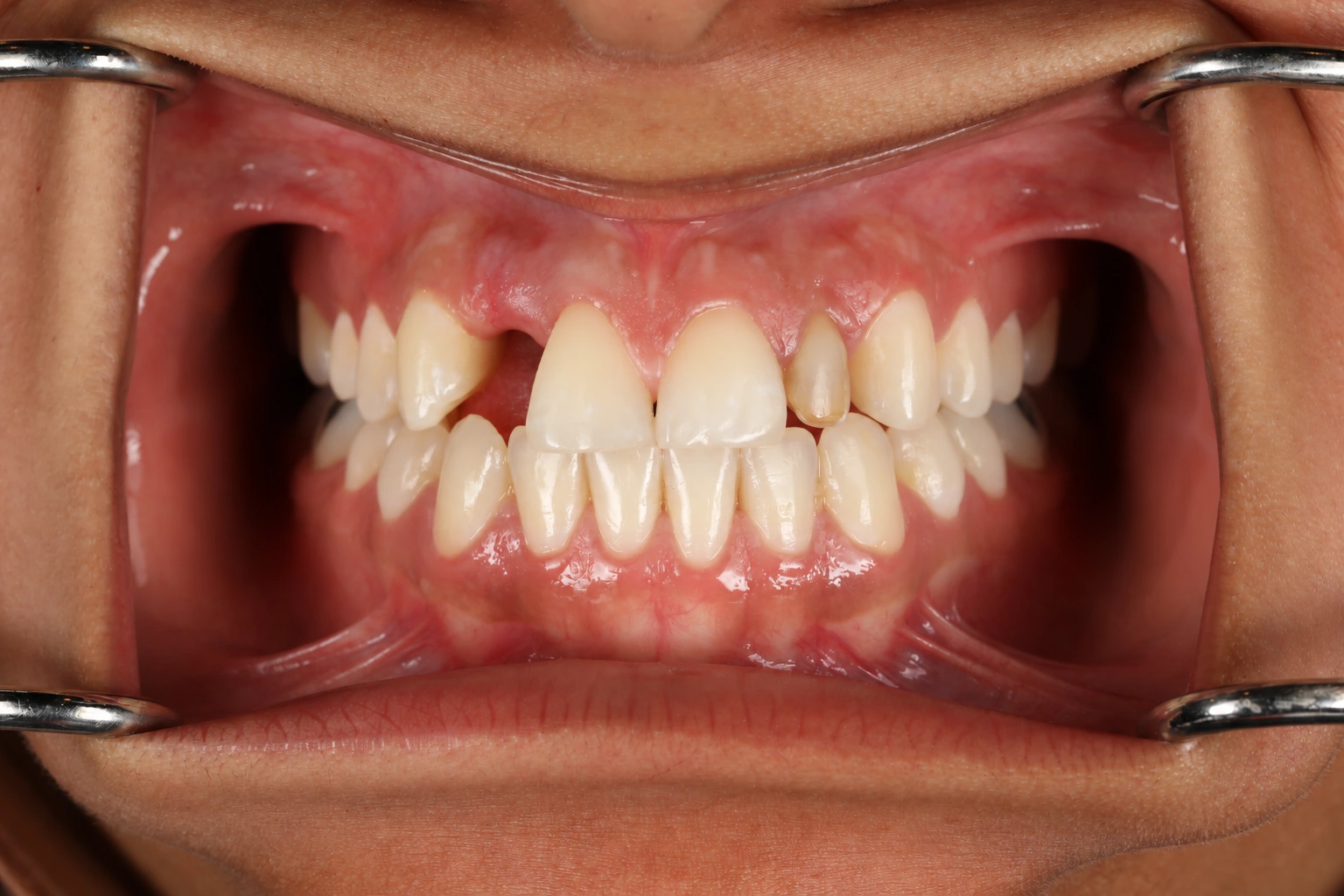
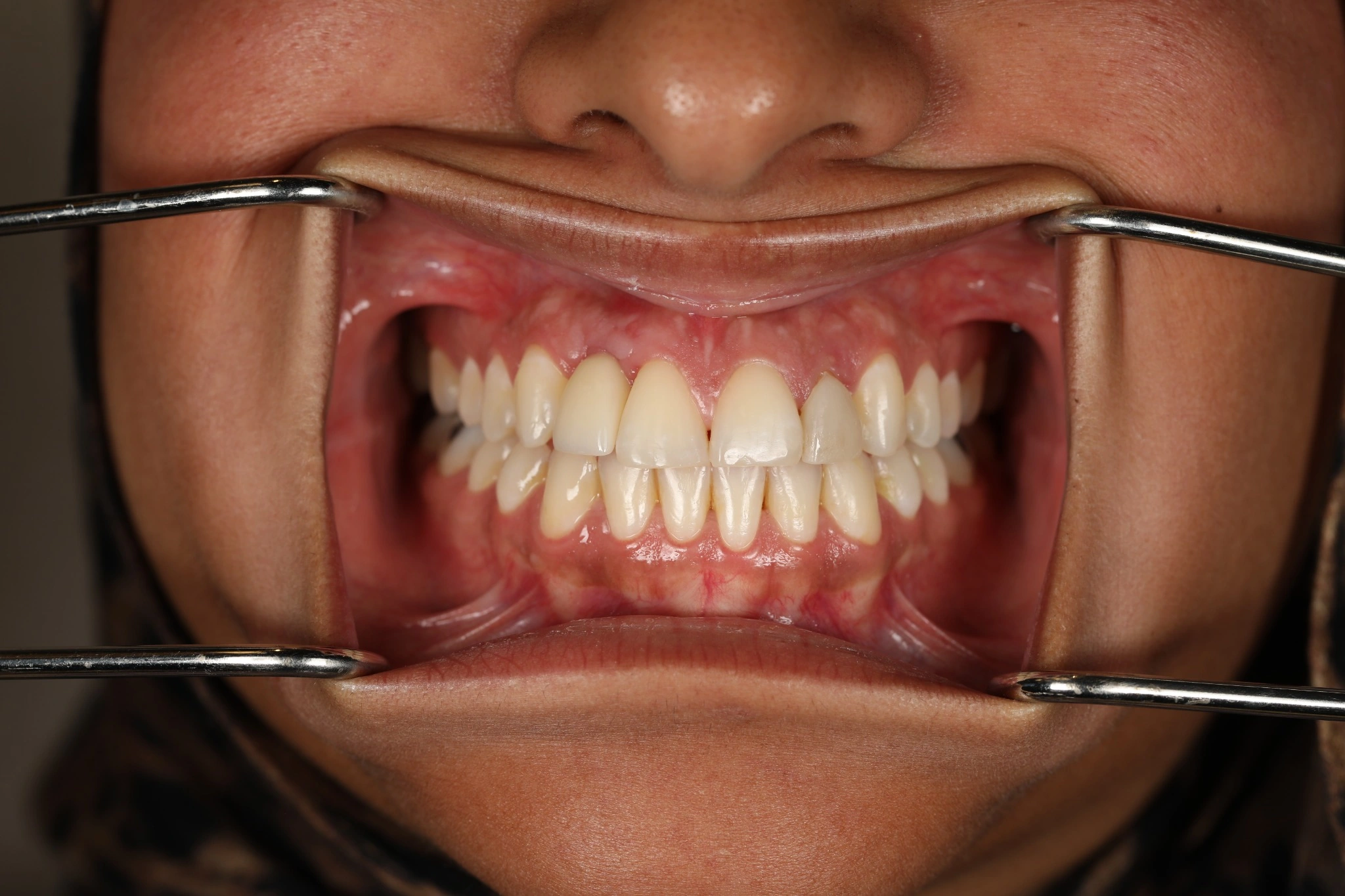
Born without both upper lateral incisors, this patient needed a plan for today and for the future. The current stage combines an implant at site #7 with resin composite on the retained baby tooth on the other side.
 Before
 After · Current Stage
Both permanent lateral incisors were congenitally missing. Primary tooth G remained in place on the upper left, while site #7 on the upper right required replacement.
The digital plan considers future implants at #7 and #10. Reviewing both sites together connects the immediate restoration with the longer-term treatment goal.
For this stage, treatment was limited to an implant at #7 and resin composite on the retained primary tooth. An implant at #10 remains part of the future plan.
Inside the Planning
These views are taken from this case’s guide report. They show the relationship between the scanned teeth, proposed restorations, implant positions, and CBCT anatomy.
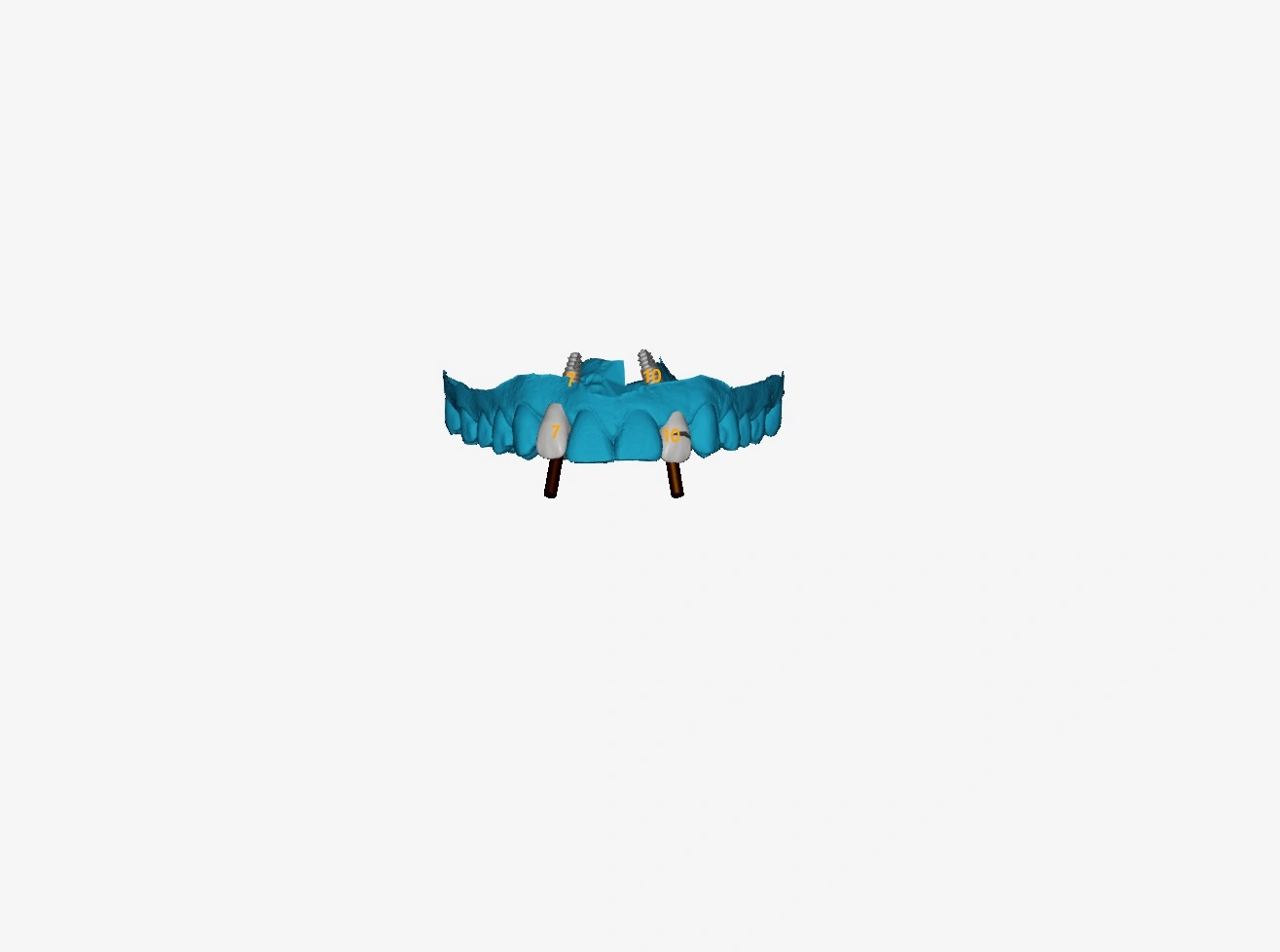
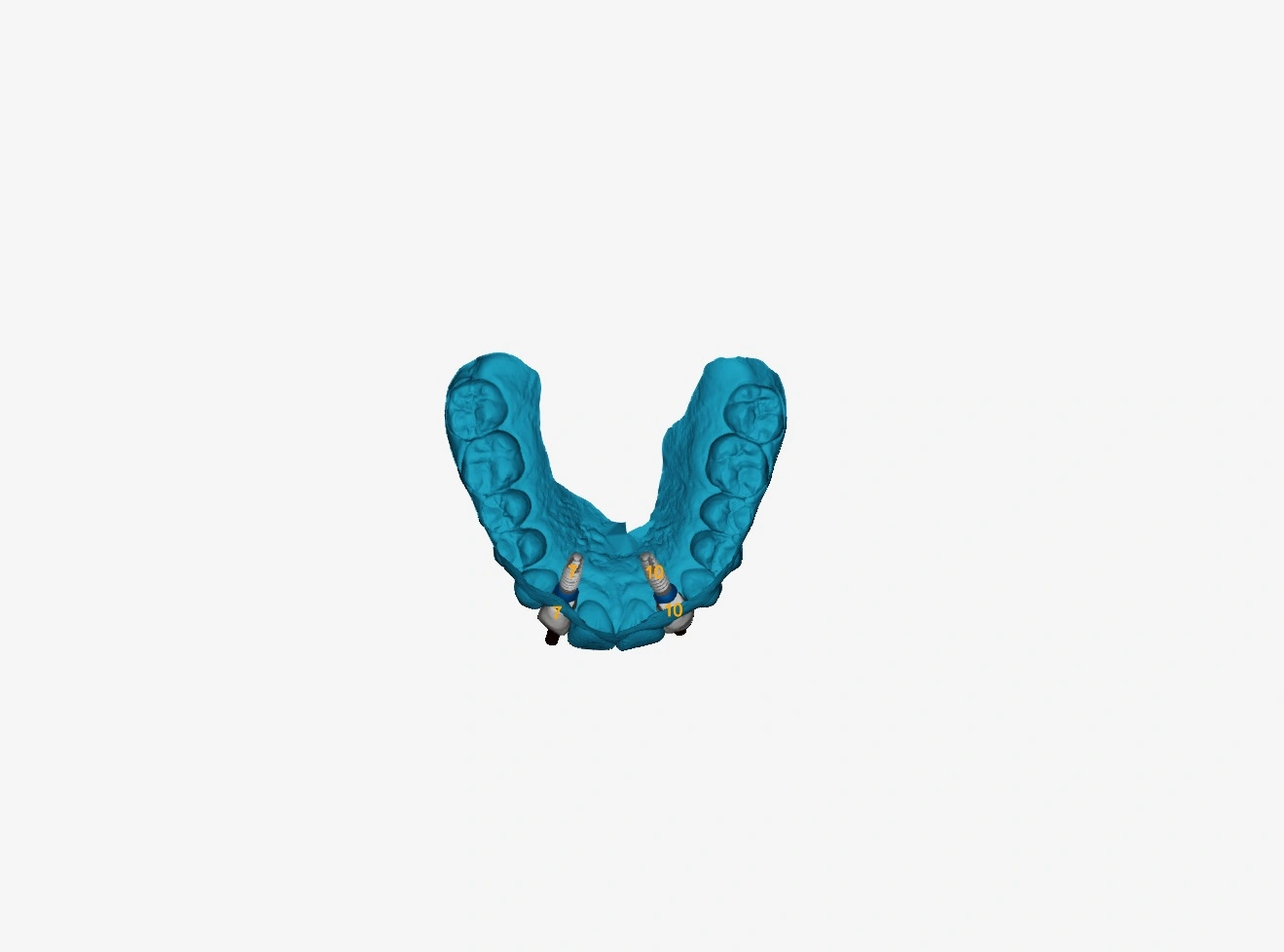
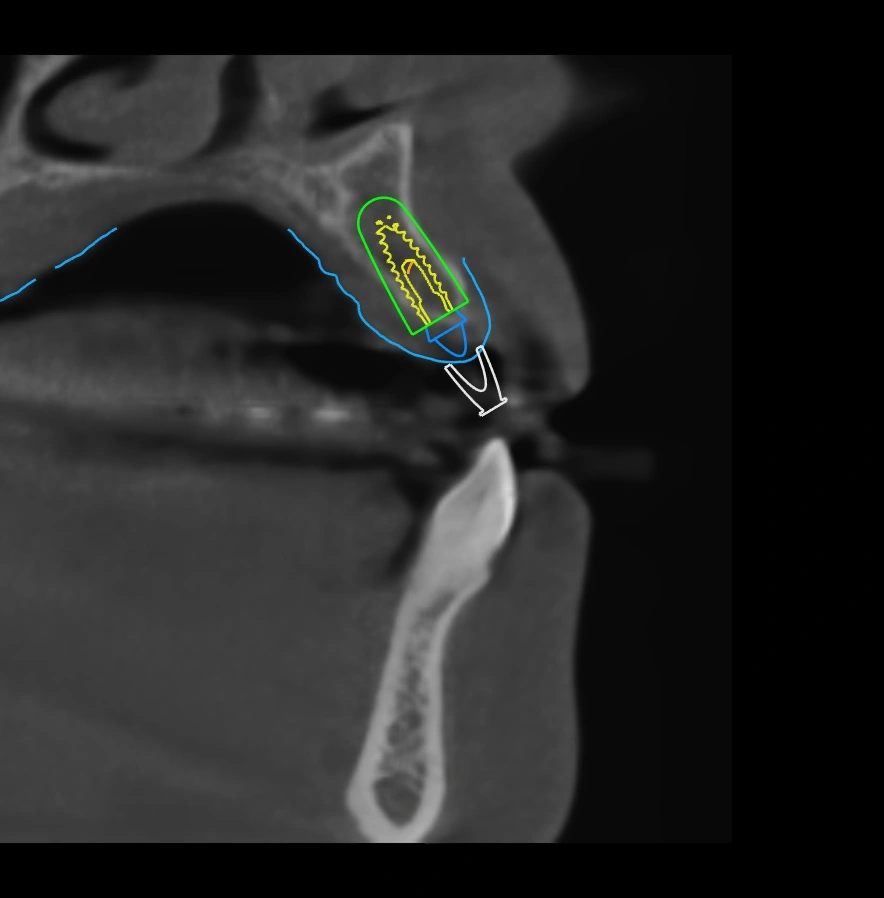
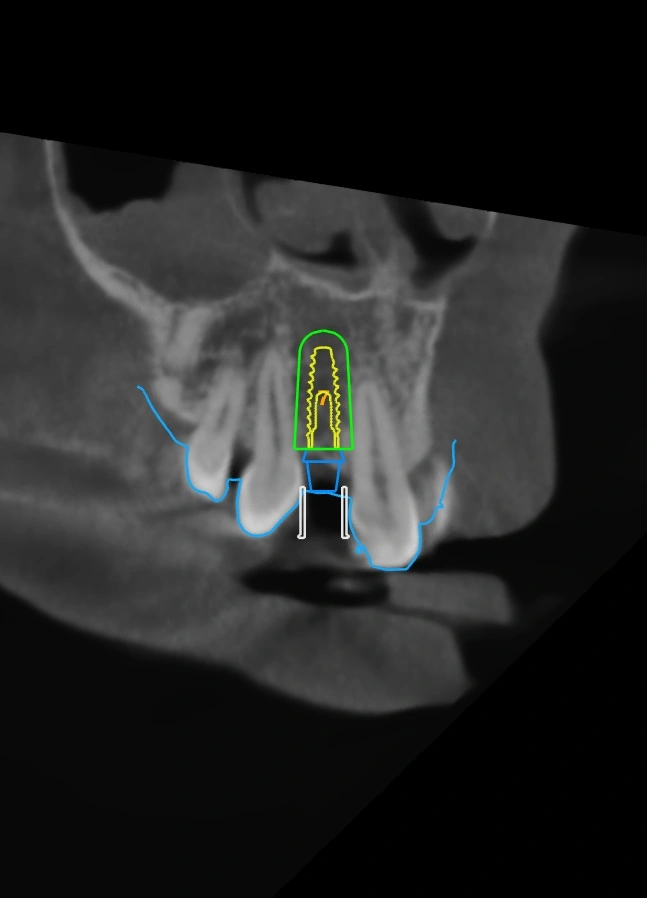
The 3D models display the plan for both lateral-incisor sites. Only #7 was treated with an implant in the current stage; the #10 implant shown in the model is planned for the future. Planning overlays represent proposed positions, not a second completed implant.
The Implant Record
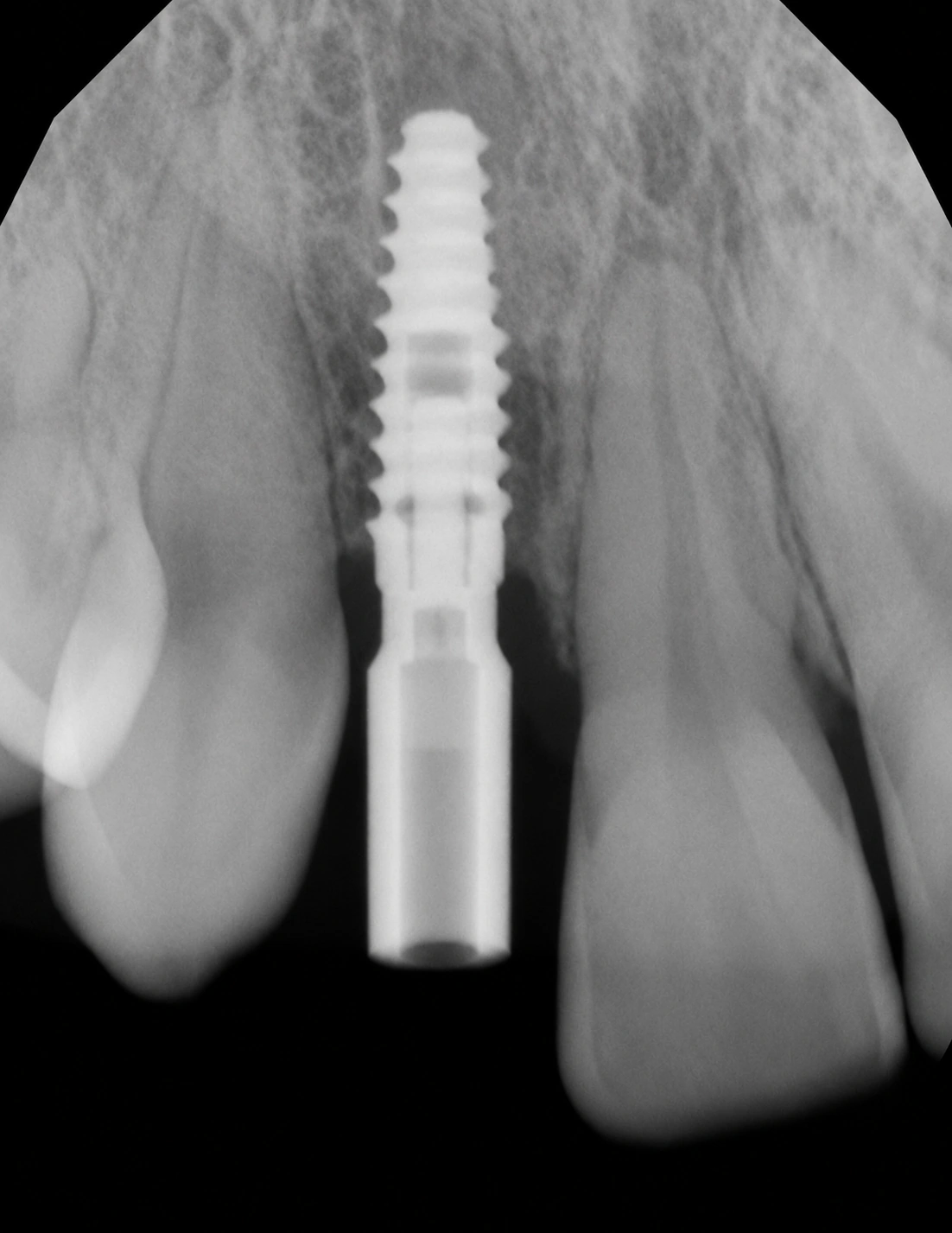
The supplied radiograph shows the implant at the treated upper right lateral-incisor site. Alongside the planning views and clinical photographs, it completes the visual story of this stage of care.
Individual treatment plans and results vary. The retained primary tooth and any future implant treatment require ongoing clinical review.
Featured Patient Case · Lower All-on-X
After extensive treatment over the years, this patient faced failing lower bridges, failing root-canal-treated teeth, and a large abscessed tooth. The decision was to restore the lower arch with an All-on-X plan built around function, occlusion, and aesthetics.
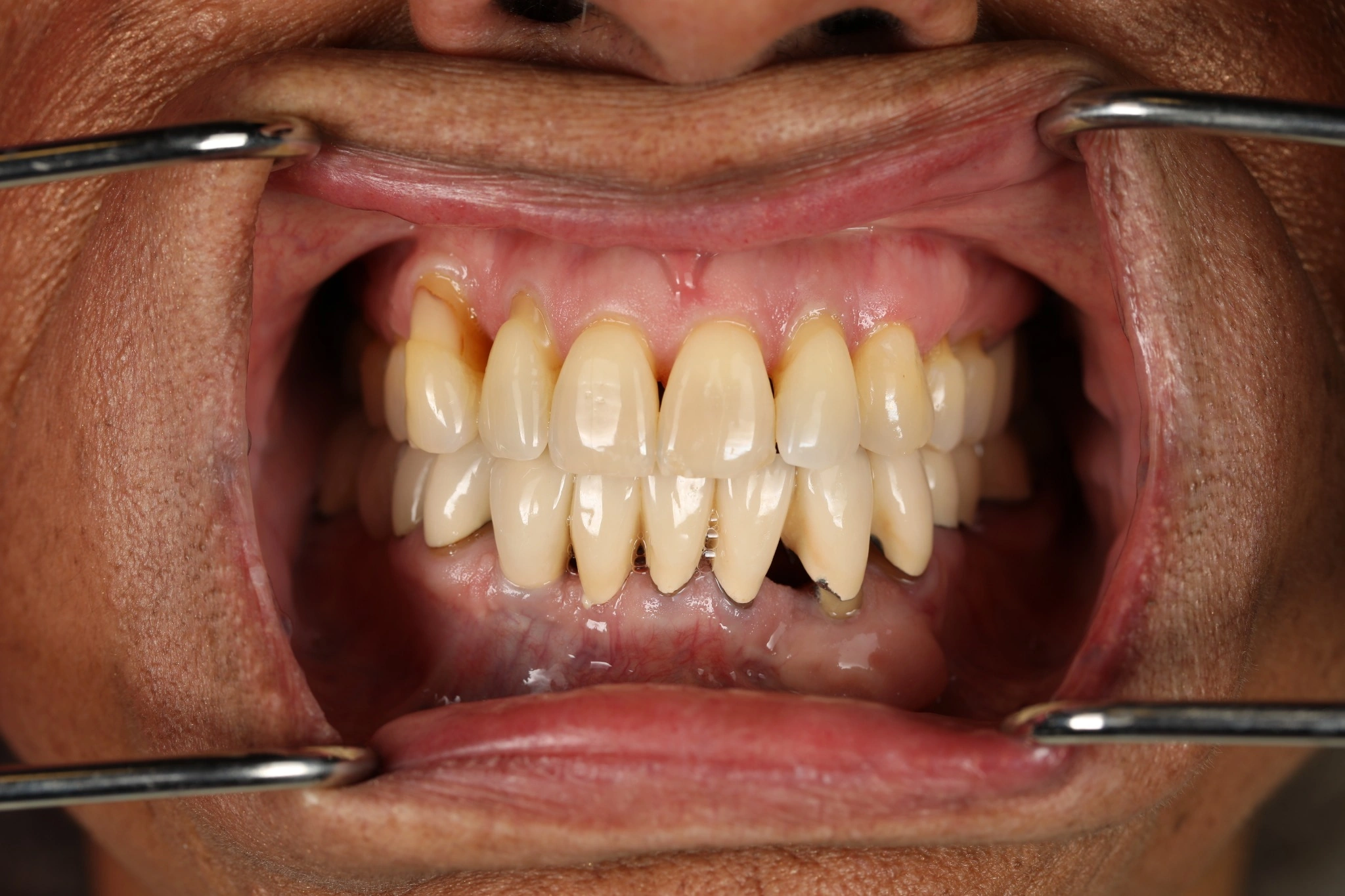 Before
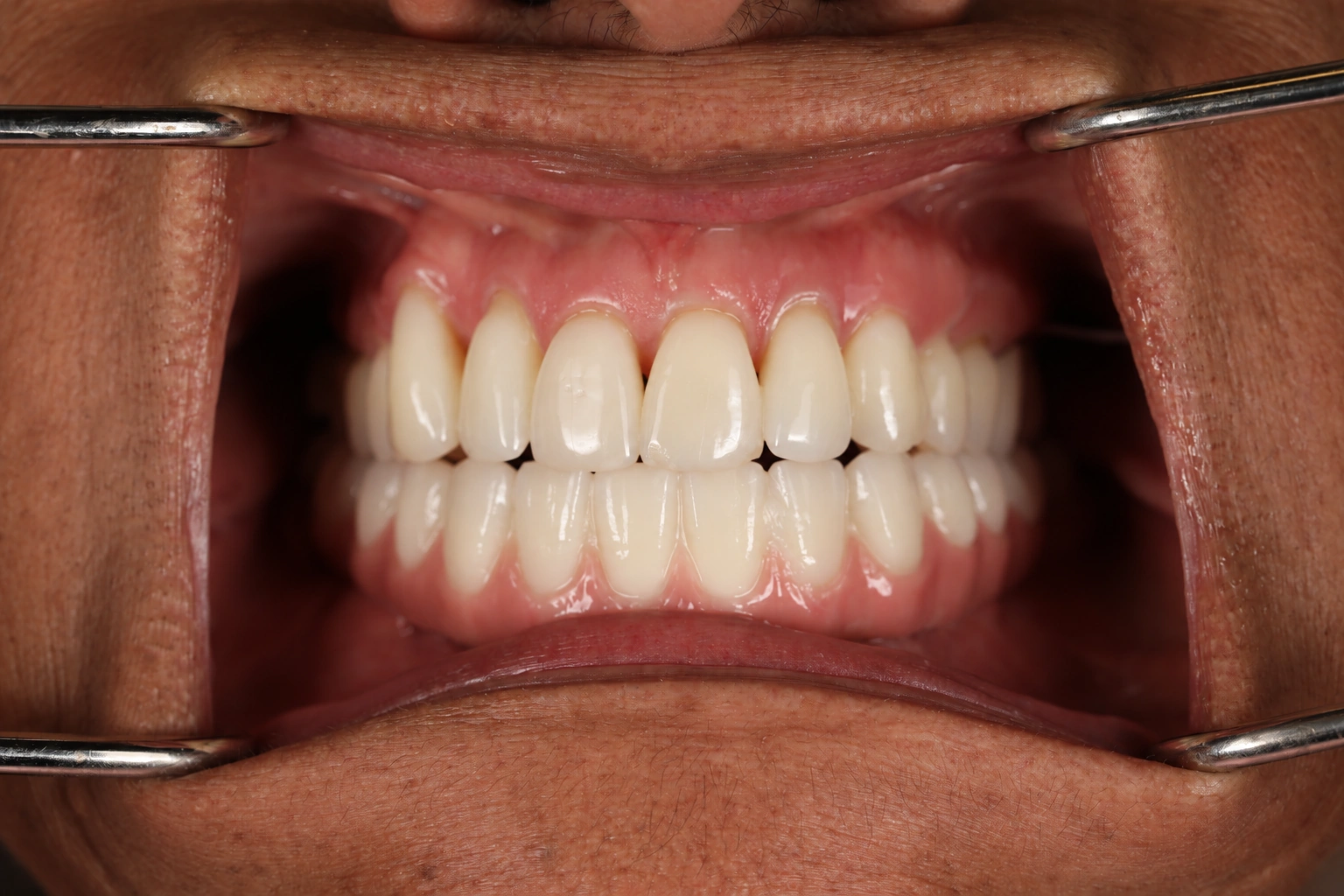 After · Lower Arch
Treatment described in this case concerns the lower arch.
The history of failing bridges, root-canal-treated teeth, and an abscessed tooth called for a comprehensive assessment of the lower arch.
The full-arch plan brought the proposed teeth, implant positions, available bone, and surrounding anatomy into the same treatment conversation.
Guided implant surgery was followed by placement of a temporary lower prosthesis on the day of surgery. This is a distinct stage of care, followed by healing and ongoing restorative review.
The Digital Plan Behind the Case
The guide report connects the proposed implant positions with the jaw anatomy and planned lower teeth. These original planning views show how the surgical and restorative decisions were considered together.
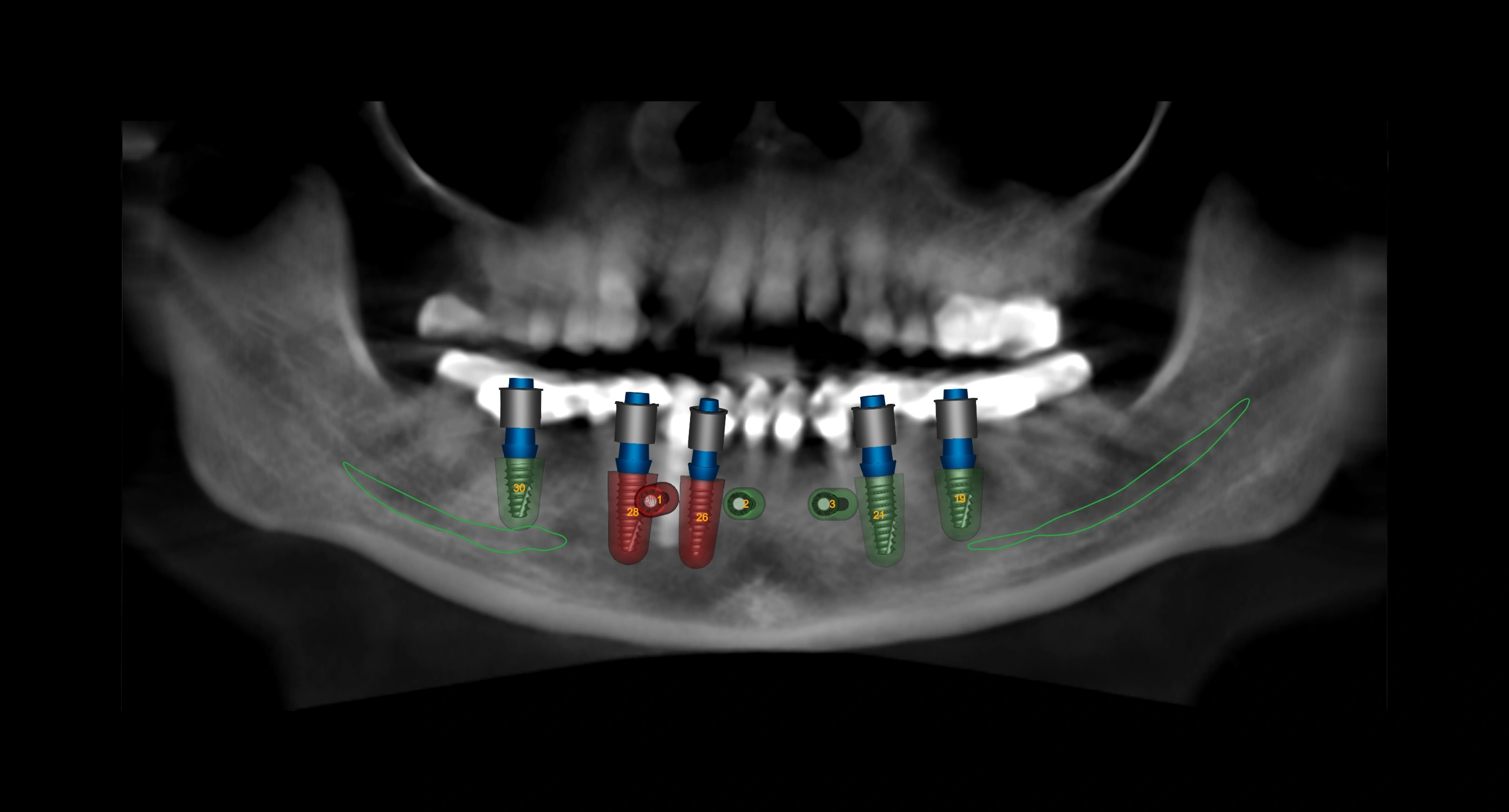
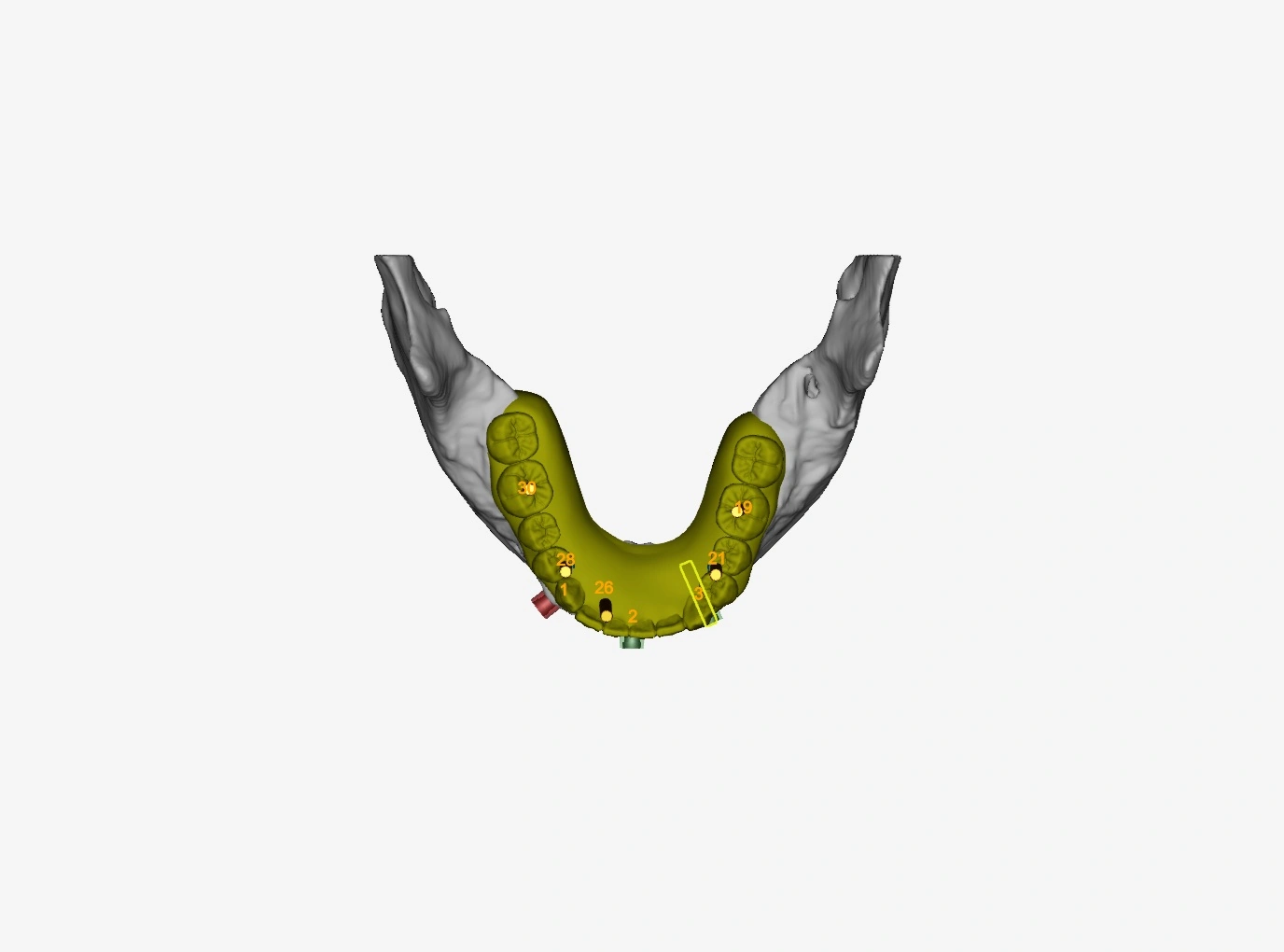
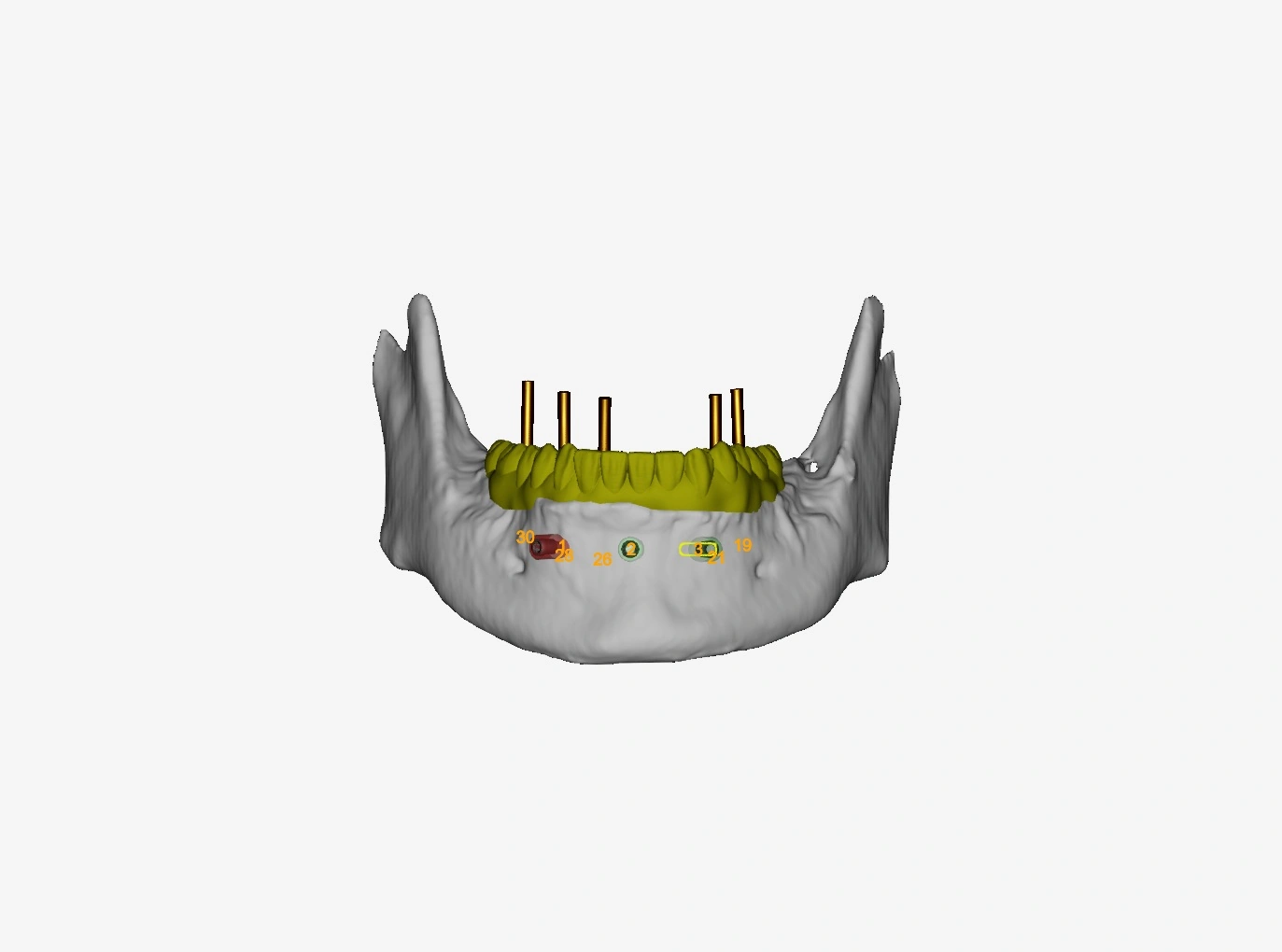
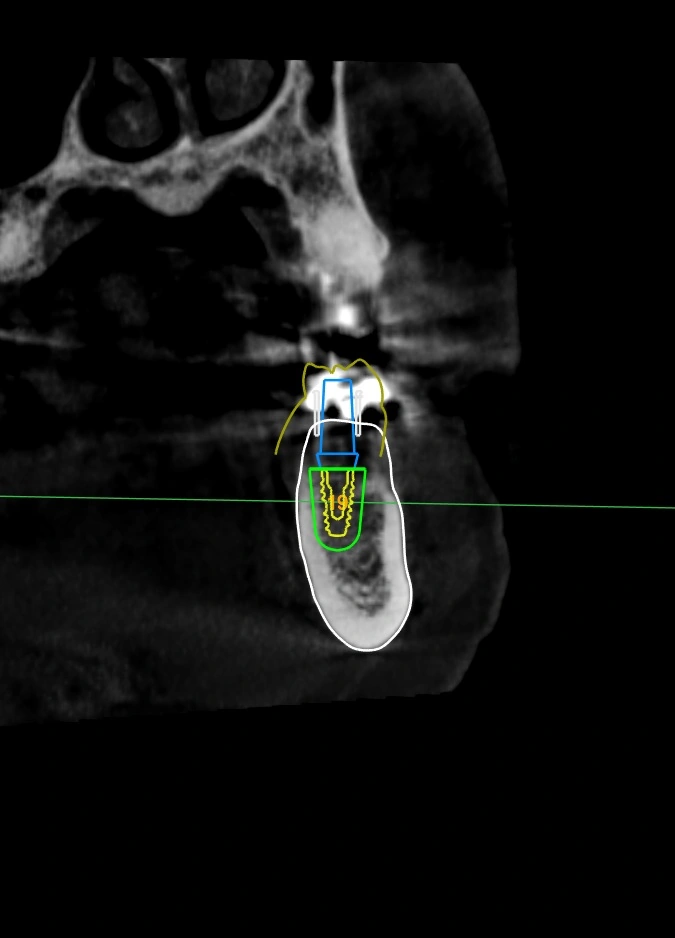
These are pre-surgical planning images with virtual overlays. They show the proposed implant positions and their relationship to the planned restoration and jaw anatomy.
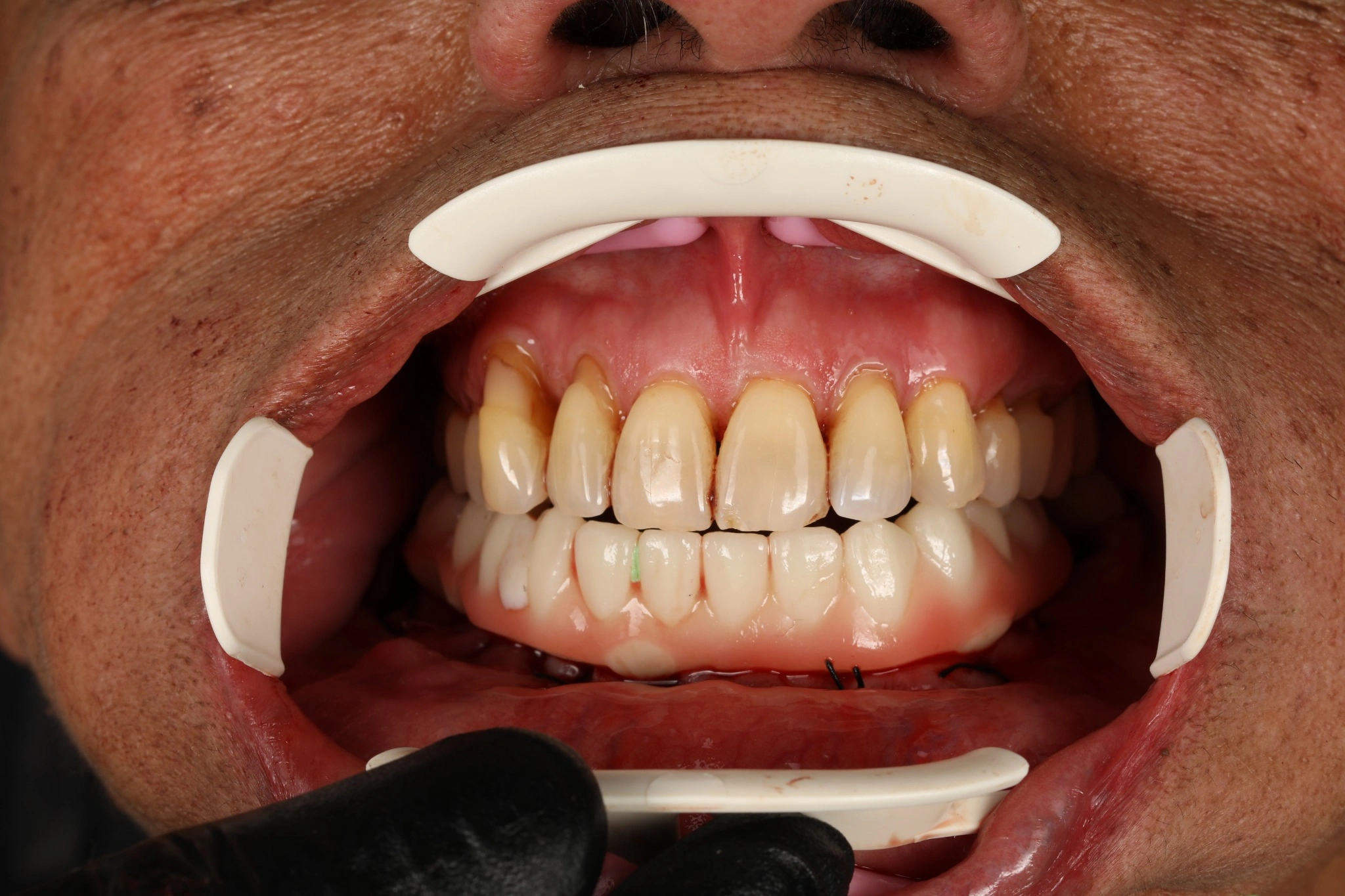 Day of Surgery · Temporary
A Distinct Stage of Treatment
For this patient, guided surgery and a temporary lower prosthesis were completed on the same day. The photograph documents that immediate stage, before the subsequent healing and restorative appointments.
The temporary restoration is part of the treatment sequence. Follow-up, cleaning guidance, and review of the bite remain essential as care progresses.
Same-day temporary teeth are an option for selected cases. Suitability depends on the clinical conditions and implant stability.
Additional Views of the Case
The clinical and smile photographs provide complementary views of the lower restoration. The treatment goal combined chewing function, the relationship between the arches, and the appearance of the smile.
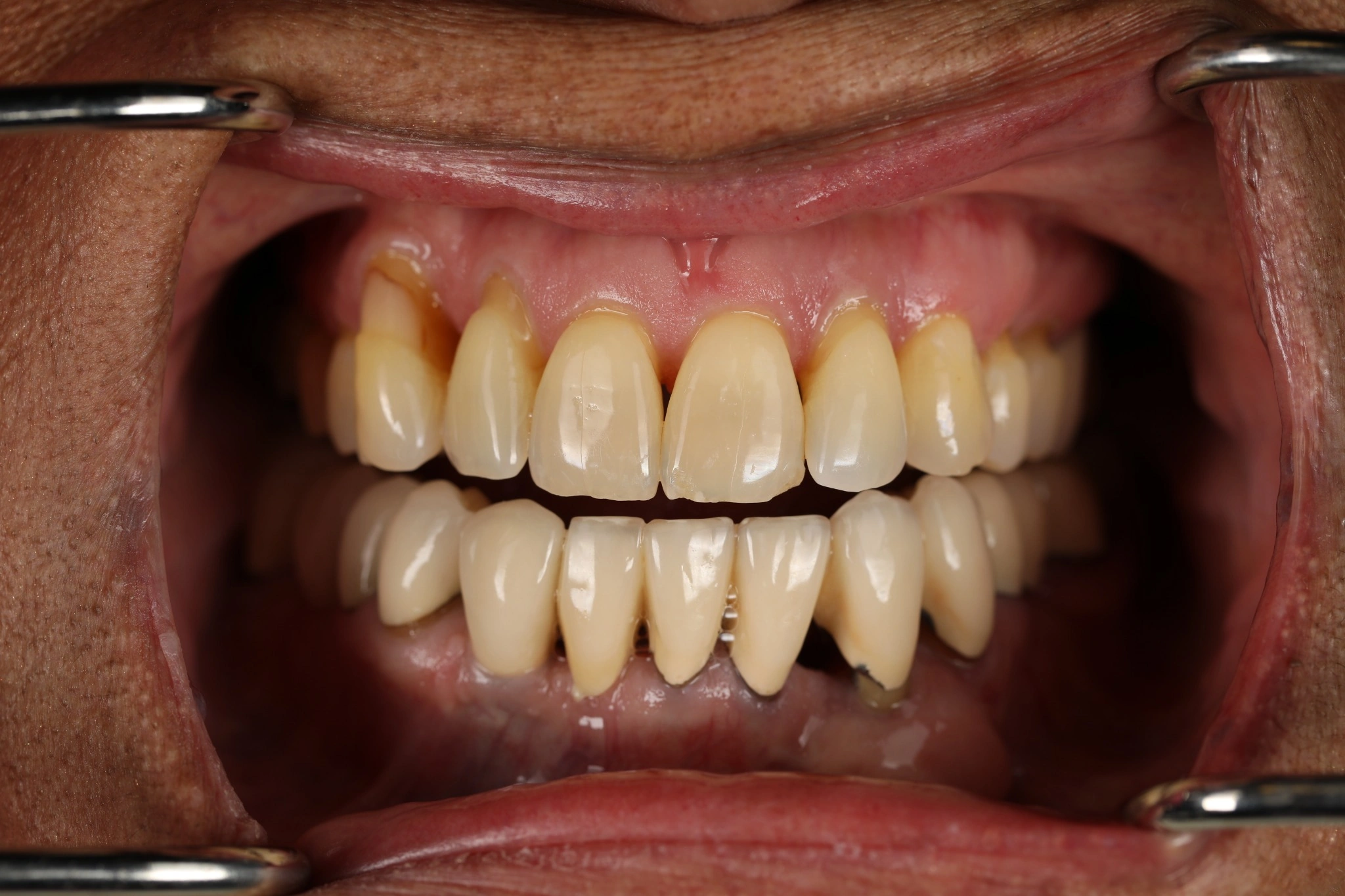 Before
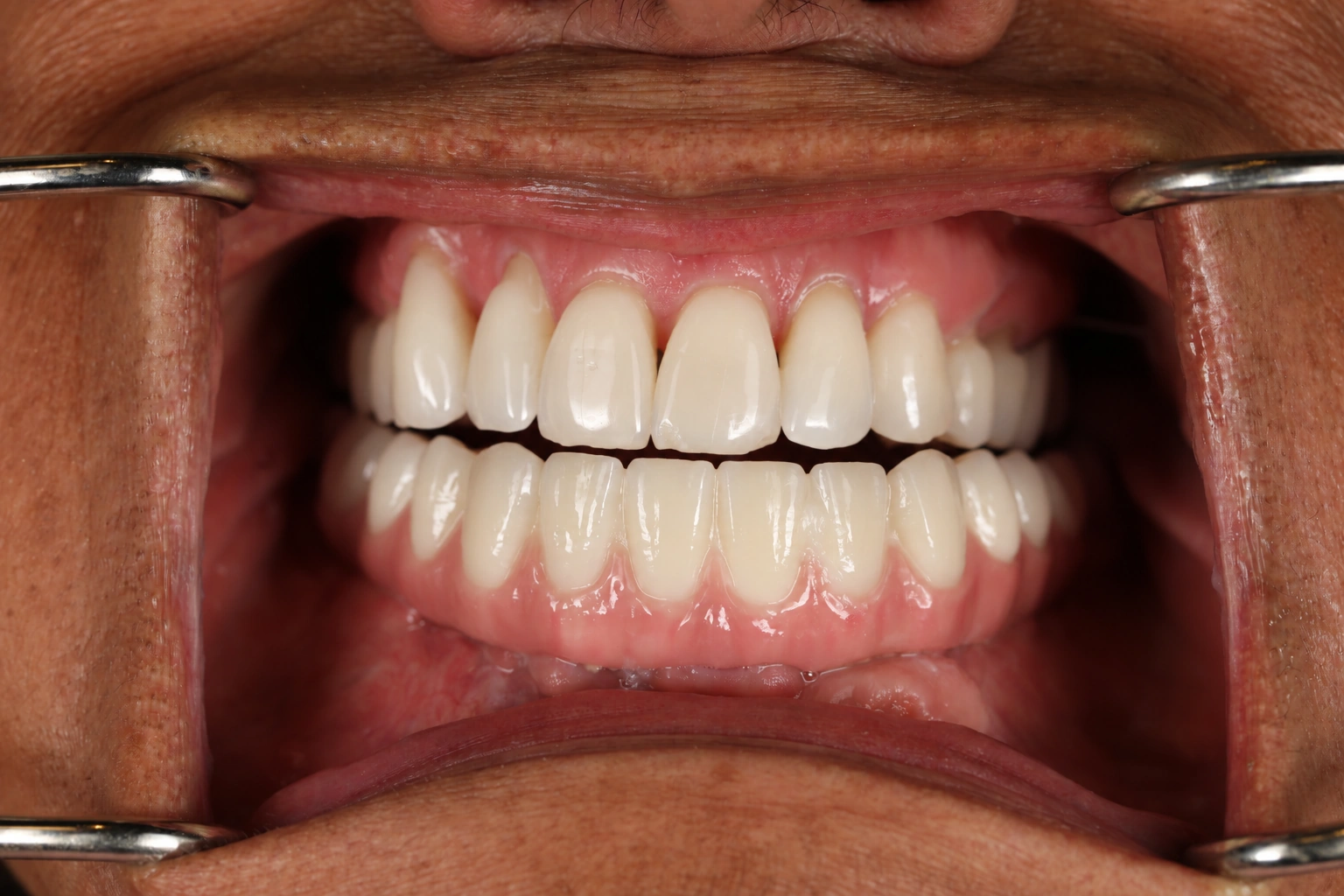 After · Lower Arch
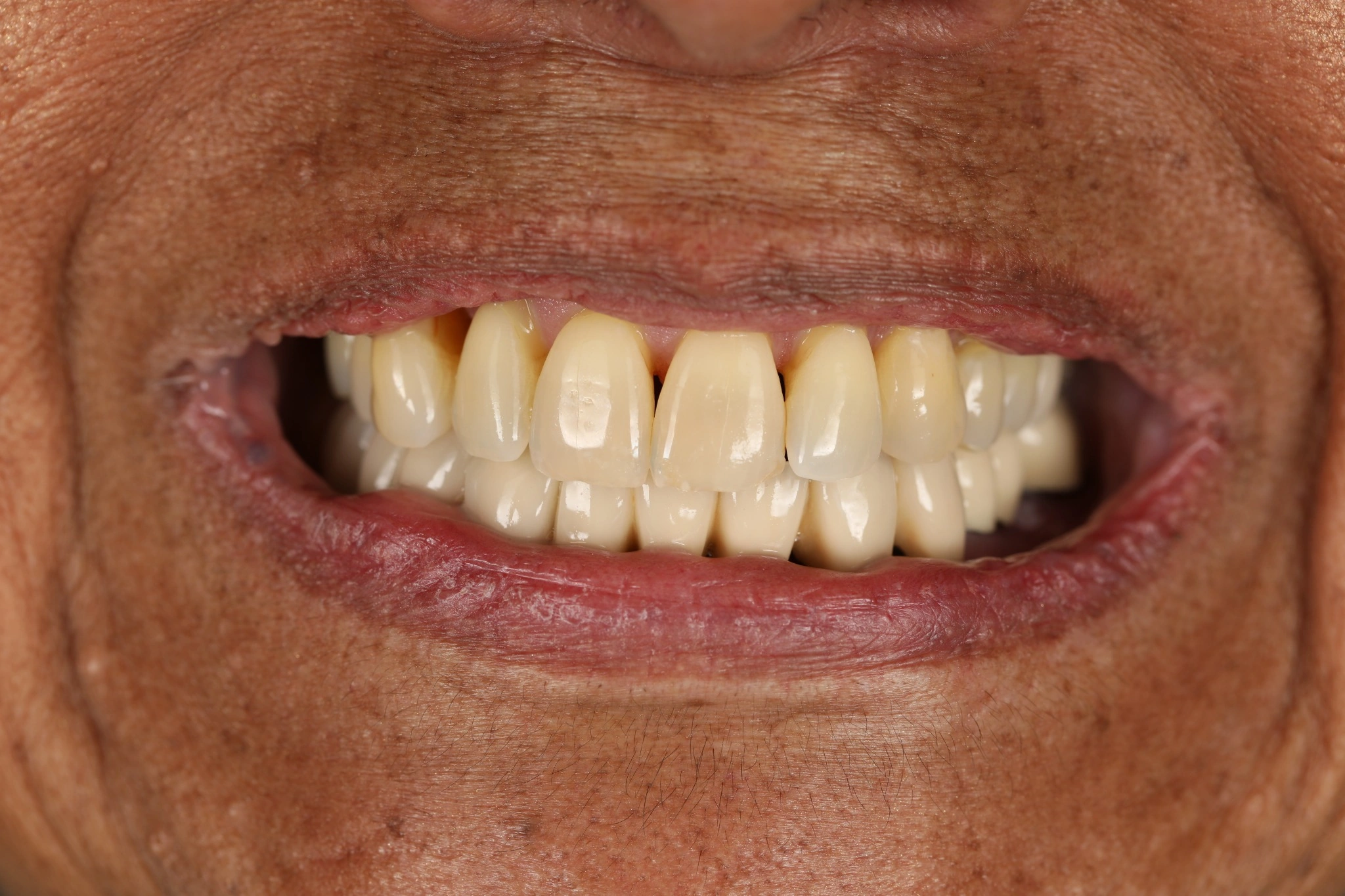 Before
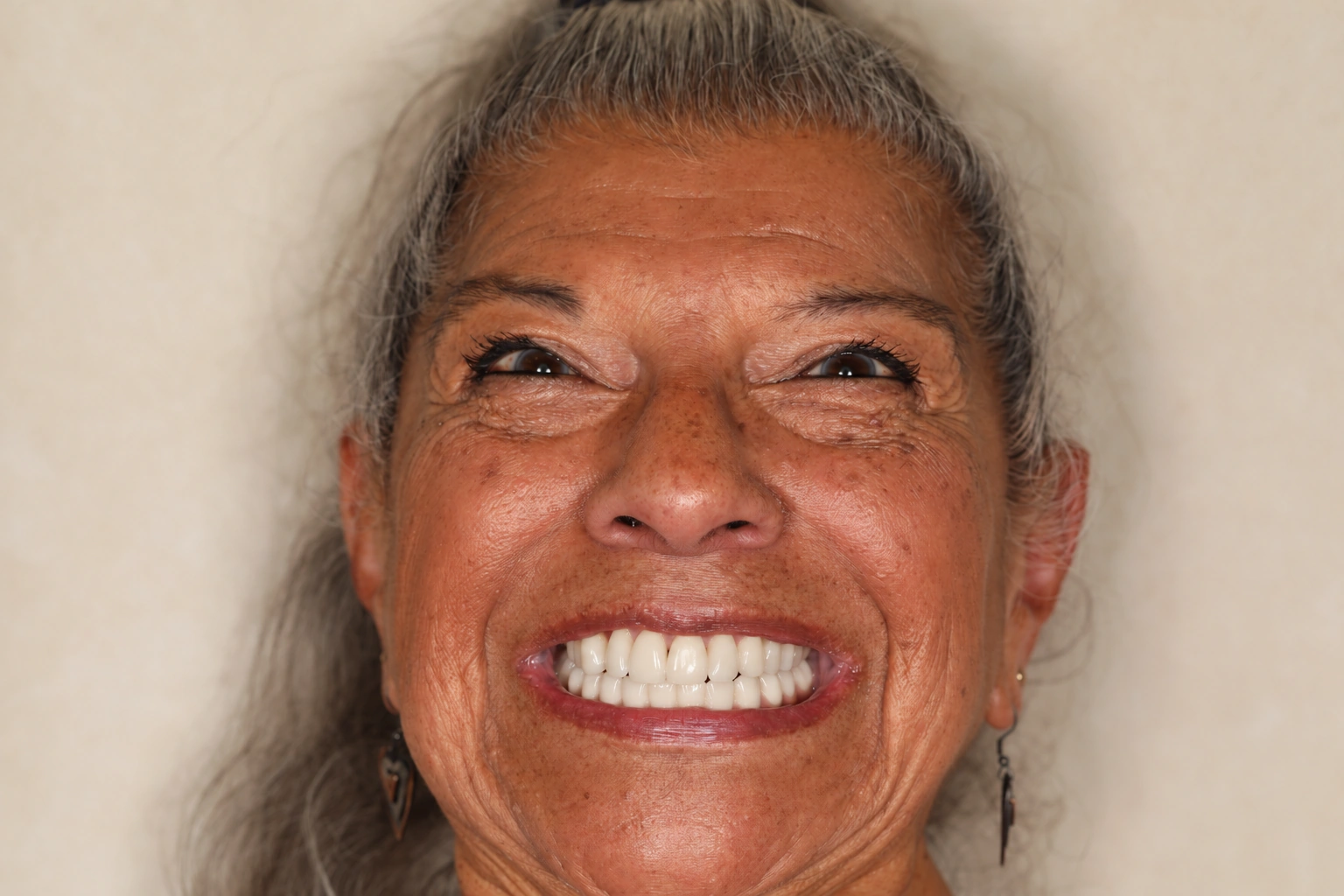 After · Lower Arch
This case describes lower-arch treatment; individual treatment plans and results vary.
Two-Tooth Implant Case · Upper Front Teeth
This patient’s two missing upper front teeth were replaced with dental implants. The reconstructed views illustrate the starting condition and replacement teeth, alongside the implant radiograph.
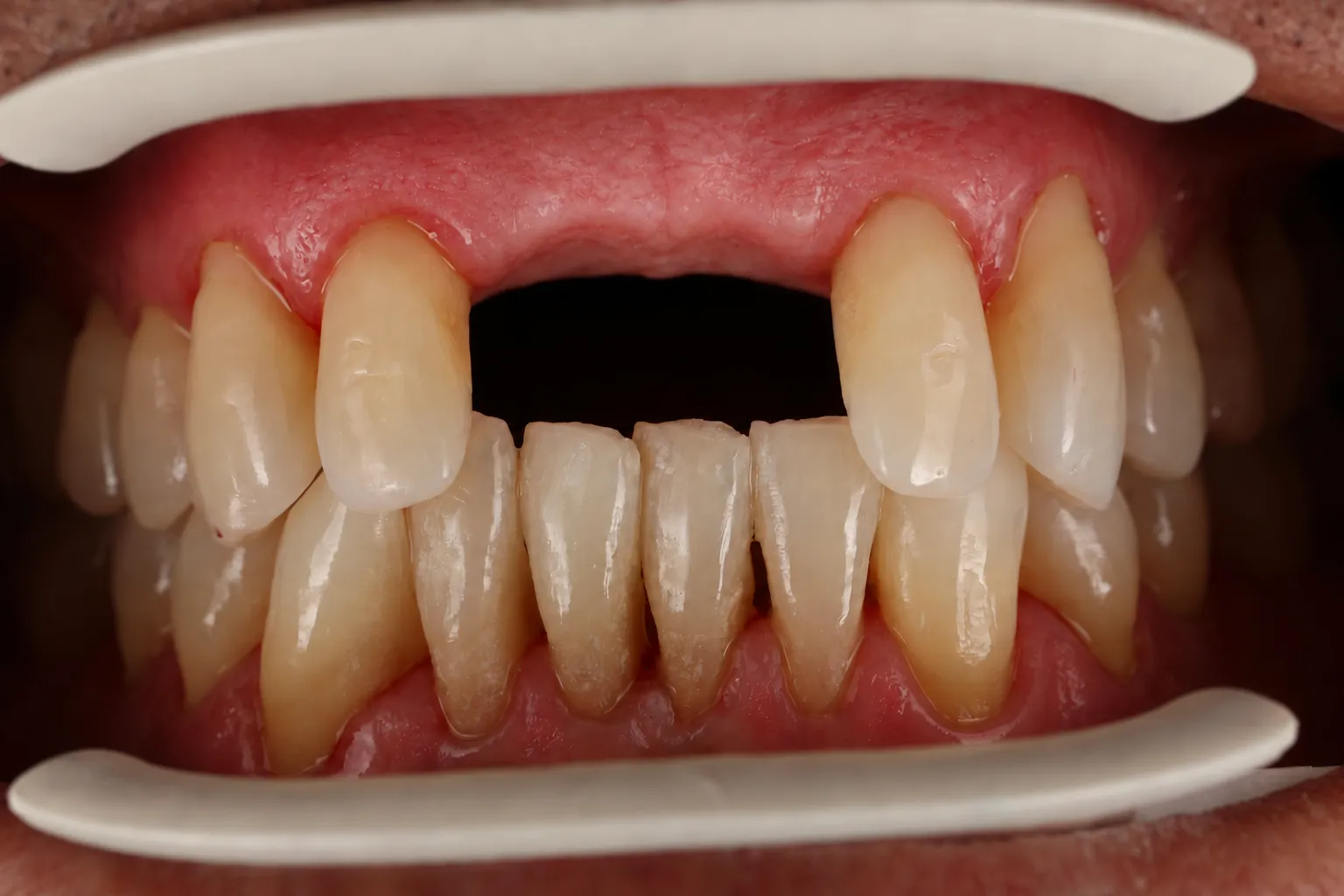
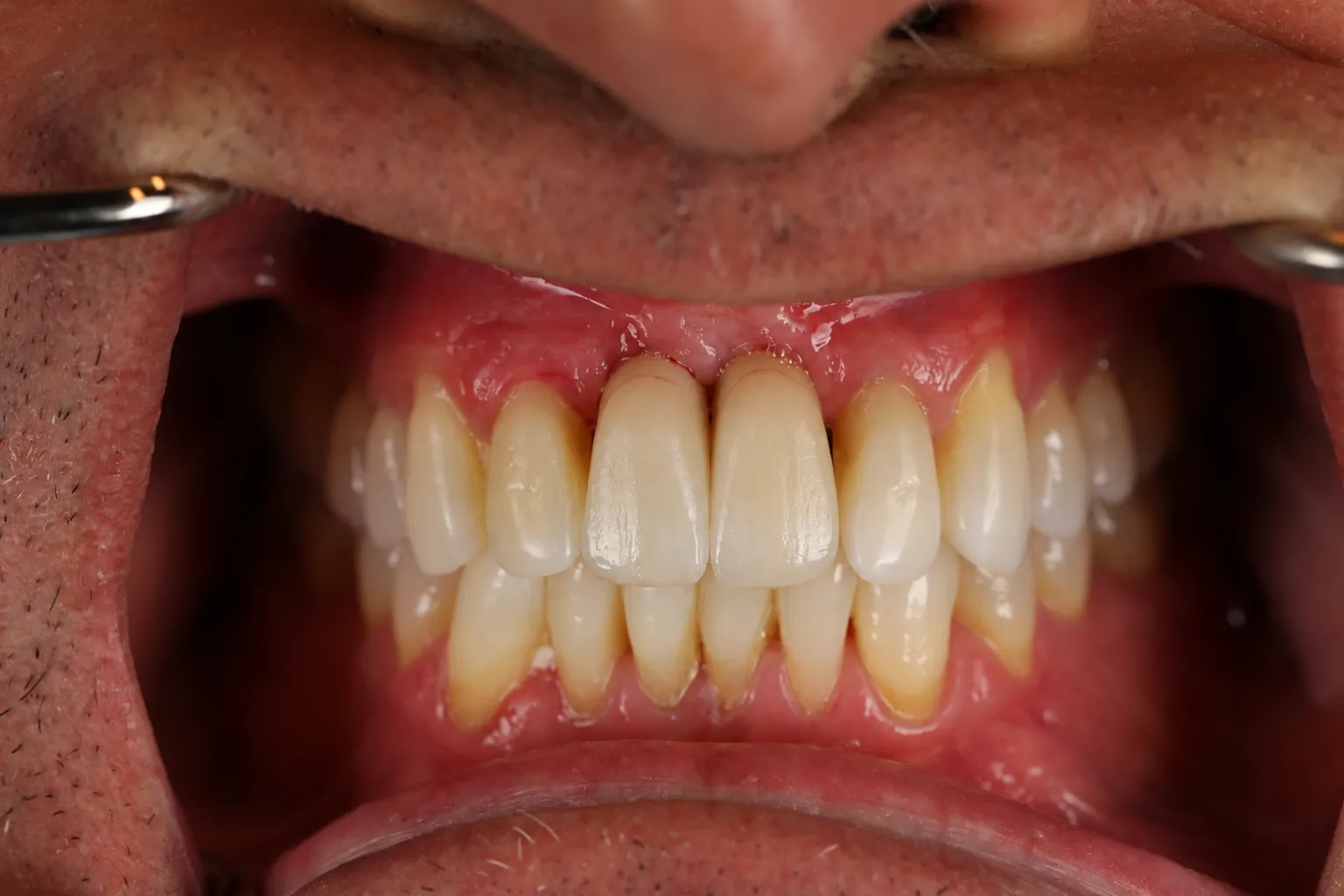
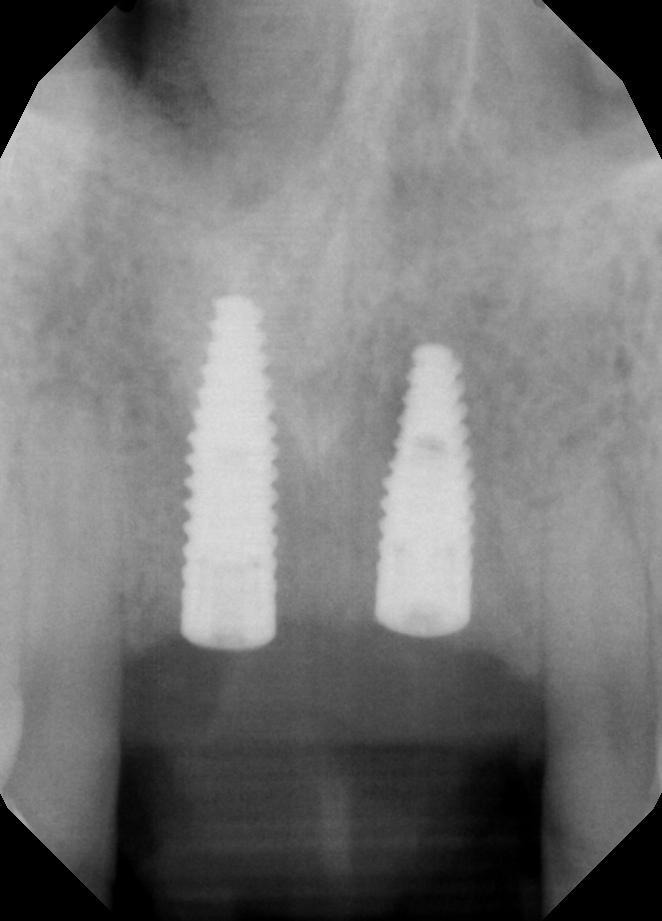
Explore how implant planning connects the missing-tooth space with the restoration.
Explore Implant PlanningYour Implant Journey
Your treatment sequence is tailored to your starting point. We walk you through the clinical plan, the timing, and what to expect between appointments.
Discuss your goals, medical history, current teeth, gums, and bite. Compare suitable replacement options.
Gather the digital records and imaging needed. Plan the restoration, implant positions, and any preparatory care.
Complete any required extractions or grafting, then place implants using the selected surgical approach.
Monitor healing and implant stability. Move from any temporary restoration to your final crown or arch when appropriate.
Learn how to clean your restoration and return for ongoing checks of the gums, implants, and bite.
There is no single timeline for every smile. Healing, grafting, and the type of restoration affect timing. Same-day temporary teeth may be possible in selected cases; they are not the same as the final restoration.
A Coordinated Approach
Implant treatment connects surgical and restorative decisions. Our team brings those perspectives together so the foundation and the final teeth are planned as parts of the same treatment.
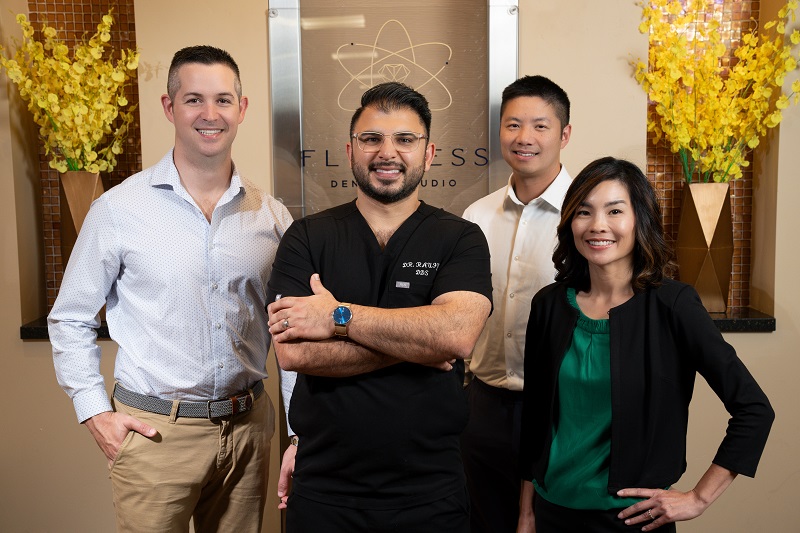
Dr. Raufy and our in-house specialists coordinate care according to the needs of your case, with attention to gum and bone health, restorative design, and long-term maintenance.
Clarity Before Commitment
Your written treatment estimate should reflect the complete plan: implants, connecting components, the final restoration, and any preparation such as extractions or grafting. We explain what is included and discuss available in-house payment arrangements.
Fees and insurance estimates depend on your treatment. A consultation is the starting point for an individualized recommendation.
Questions, Answered
Bring your questions to the consultation. We will explain the choices, benefits, limitations, and maintenance your plan involves.
A digital intraoral scan captures the surface shapes of your teeth and gums and records your bite. CBCT is an X-ray examination that shows underlying anatomy in three dimensions, including jawbone and nearby structures. They provide different information; your clinician determines which records are needed.
A surgical guide is a custom device designed from the digital plan to help guide placement instruments. We check its fit and stability during treatment. The decision to use a guide depends on the case, anatomy, and planned procedure; clinical judgment remains essential.
We assess your oral and general health, bone and gum support, bite, and ability to maintain the restoration. Missing a tooth does not automatically mean an implant is the best option. Your consultation includes suitable alternatives and any preparatory treatment.
Some patients need additional bone or gum preparation to support the planned implant and restoration. Imaging and examination help us assess that need. If grafting is recommended, we explain why, how it affects the treatment sequence, and the additional healing involved.
Immediate temporary restorations can be considered for selected patients when the clinical conditions and implant stability allow. Other cases need a staged approach. We discuss your temporary tooth options before treatment and distinguish temporary teeth from the final restoration.
All-on-X describes a full-arch restoration supported by multiple implants. The X reflects that the number of implants can vary. The recommended number, positions, and restoration design depend on your anatomy, bite, and clinical needs.
Timing depends on your starting point, any extractions or grafting, healing, and the type of final restoration. Treatment often involves several stages over months. Your plan will explain the anticipated sequence and when temporary and final teeth may be fitted.
Implants require surgery and ongoing care. Potential complications include infection, implant failure, and injury to nearby tissues or structures. Cleaning around the restoration and regular professional reviews help monitor gum health, implants, and bite. We review the risks specific to your case before treatment.
The cost depends on the number of implants, the restoration, and any additional care needed. After evaluating your case, we provide an individualized estimate and discuss what is included, insurance estimates, and available in-house payment arrangements.
Dental Implants in Mira Mesa, San Diego
Let’s explore what is possible for your smile, understand your options, and create a plan you feel comfortable moving forward with.
9750 Miramar Road, Suite 380 · San Diego, CA 92126
Personalized recommendations begin with an examination.


