When you imagine improving your smile, you may think first about straighter teeth, a different shape, or a brighter shade. Before deciding how to make those changes, it helps to understand how your teeth fit within your face—and how they function together.
The Kois Center approach connects those questions. This introduction explains Kois dentofacial planning in everyday language, so you can take a more informed role in conversations about your smile at Flawless Dental Studio in Miramar, San Diego.
What does “dentofacial” mean?
Dento refers to the teeth; facial refers to the face. Dentofacial analysis looks at their relationship, including tooth position, the edges of the front teeth, and how the smile sits within the lips and facial reference points.
That assessment is different from choosing a procedure. The Kois Dento-Facial Analyzer is a specific recording instrument used within planning; dentofacial analysis is the broader evaluation. Neither means you automatically need veneers or a full smile makeover.
Why facial photographs—and the Kois reference glasses?
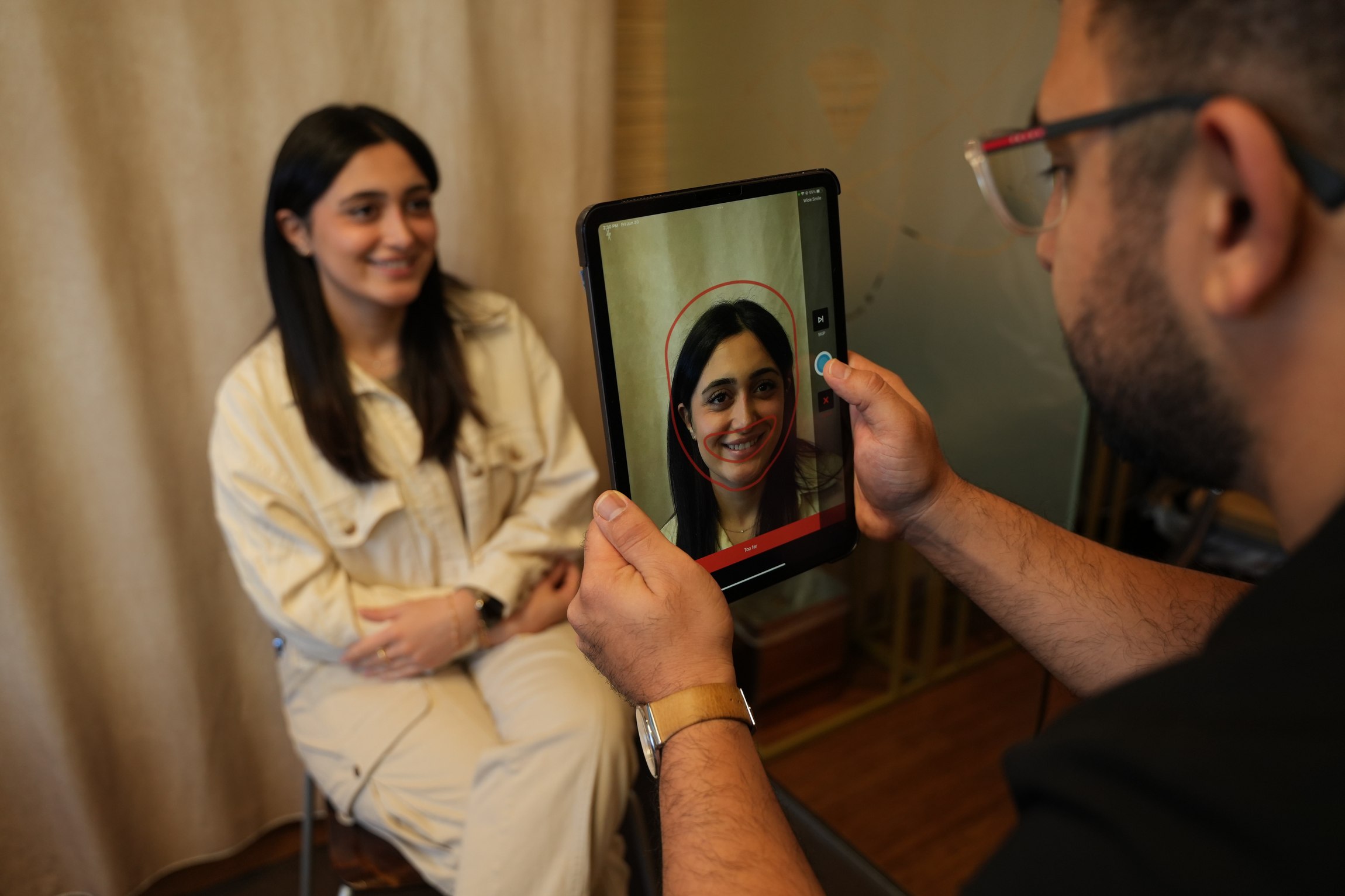
A close-up records the teeth, but leaves out much of the context of your smile. Facial photographs help communicate where the upper teeth sit in relation to the face.
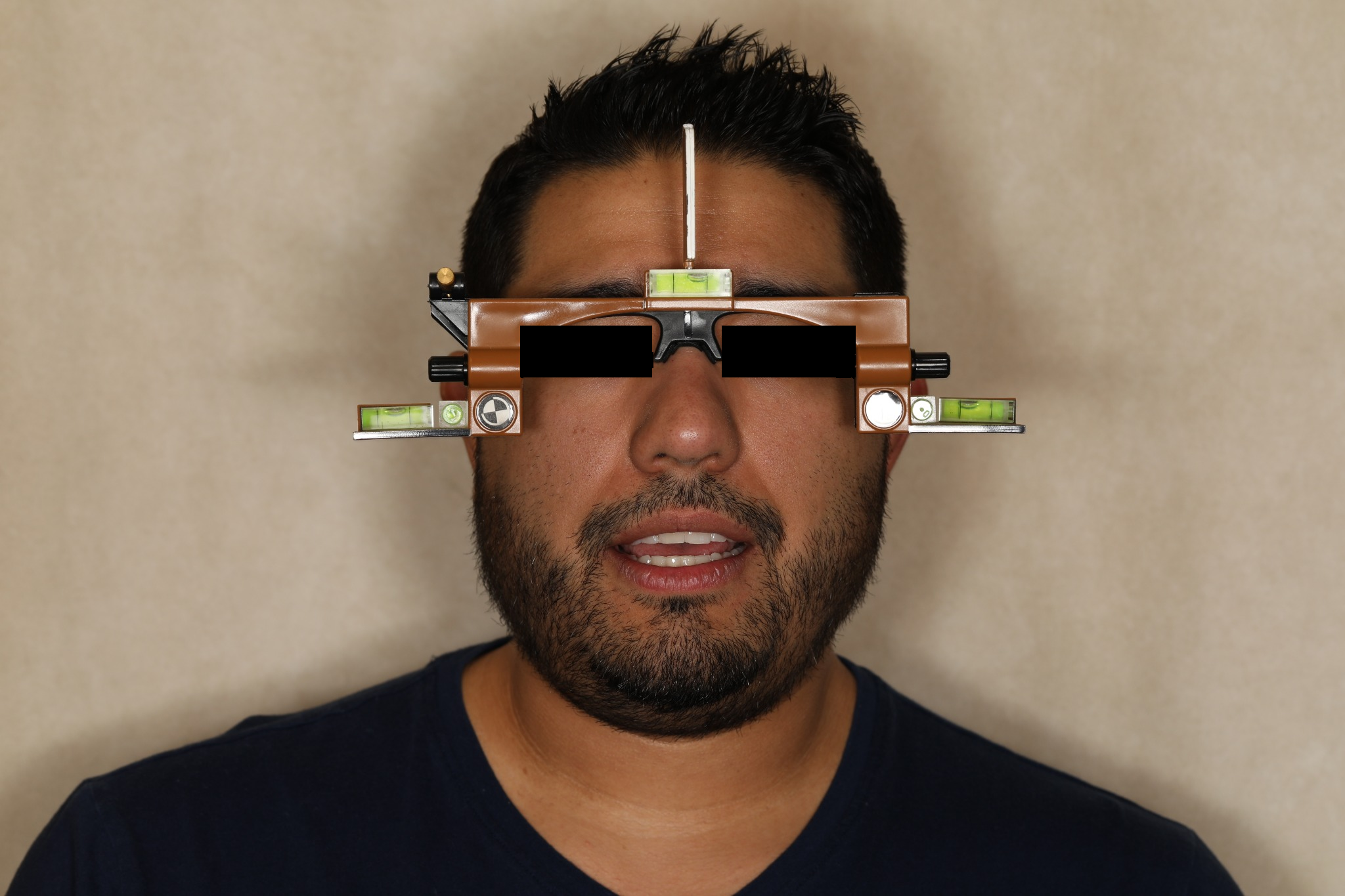
In a published technique article, Dr. John Kois and colleagues describe using Kois Facial Reference Glasses with the patient’s natural head position. In plain language, this means recording your face with your head held naturally, rather than planning from a tilted view.
The glasses provide reference points that help relate a facial photograph to a digital scan of the upper teeth. That relationship can then be communicated to the laboratory and used when orienting dental models, digitally or physically.
The patient-facing purpose is communication: keeping the teeth connected to the face they belong to throughout planning. The glasses are a recording aid, not a treatment or a promise of a particular result.
What does the Kois Dento-Facial Analyzer add?
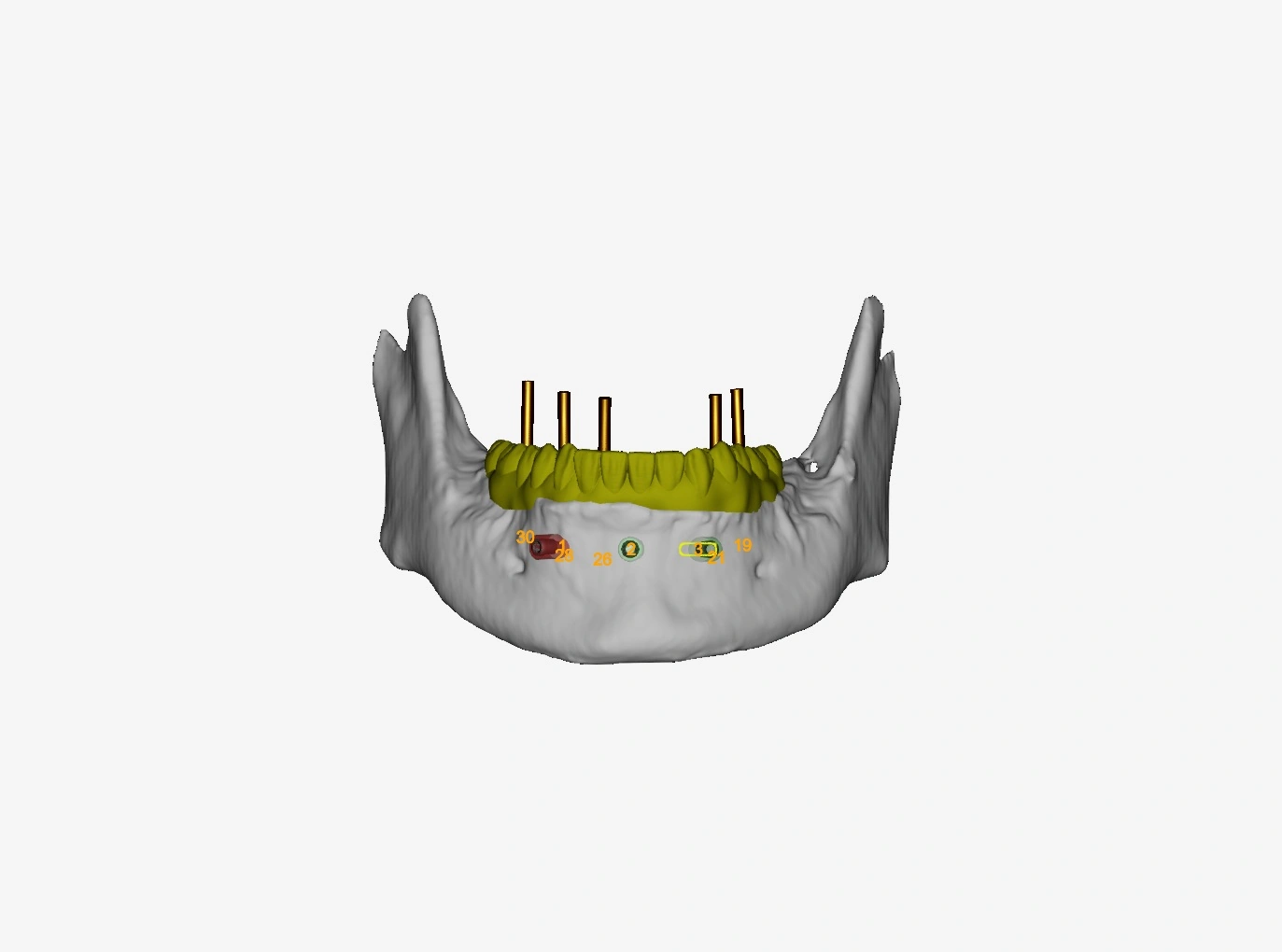
The analyzer helps transfer information about the position and orientation of the upper teeth to a dental model. A model can be mounted on an articulator, a device used to hold models of the upper and lower teeth for analysis.
A Kois Center case report by Tse and Kois illustrates how photographs, a proposed design, and the analyzer can work together. The records helped communicate the proposed dental midline and the orientation of the upper biting plane to the laboratory technician.
Think of this as carrying reference information from the consultation into the planning process. A photograph, scan, and model each show something useful; the goal is to relate them to one another.
Appearance is one part of the Kois framework
Dean Kois and John Kois describe four categories in their risk-based treatment-planning approach:
- Periodontal: the gums and tissues that support the teeth.
- Biomechanical: the condition and structural concerns of the teeth.
- Functional: how the teeth and bite work together.
- Dentofacial: the relationship of the teeth to the face and smile.
For you, this means a conversation about appearance belongs alongside questions about health, tooth structure, and function. The same authors describe planning care in stages in a complex case. That illustrates an approach to organizing treatment; it does not establish that everyone needs extensive care or the same sequence.
Your preferences help shape the plan
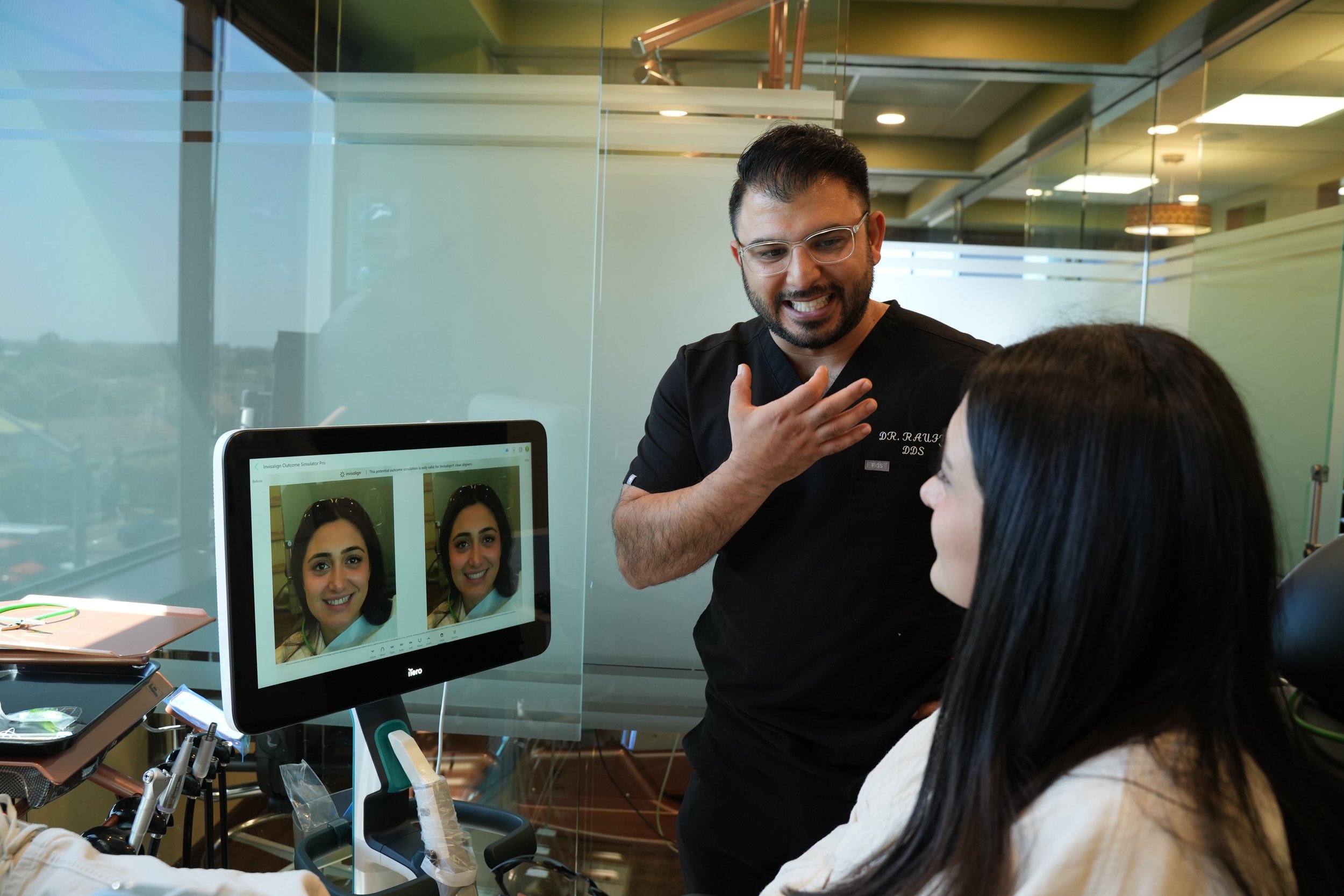
Records give the discussion a reference point. Your priorities give it direction. Explain what bothers you, what you like about your current smile, and how much change would feel comfortable.
The Tse and Kois case also illustrates discussing compromises with a patient and evaluating a proposed design through a mock-up before proceeding. A design or mock-up is something to discuss and assess, rather than a guaranteed final result. Whether it is useful for you depends on the proposed treatment.
Our smile makeover approach considers facial proportions, oral health, and bite together. If you are exploring porcelain veneers, ask how the recommendation fits that broader plan.
Three useful questions for your consultation
- What do my facial records show that a close-up of my teeth does not?
- How do my bite, tooth structure, and gum health affect my options?
- What alternatives or compromises should I understand before deciding?
You do not need to arrive with a procedure already chosen. Request a consultation at Flawless Dental Studio to discuss your goals and the records appropriate for your care. Our Miramar office welcomes patients from Mira Mesa, Scripps Ranch, and nearby San Diego communities.
Sources: Kois-authored publications
Sources checked November 3, 2026. These publications describe clinical methods and cases; recommendations depend on your examination, circumstances, and goals.