If you are considering Invisalign, you probably already know what you would like to change: a crowded lower tooth, a gap, or the way your smile looks in photographs. Those are good reasons to start a conversation.
There is another question worth asking before you begin: How will my upper and lower teeth fit together as they move? At Flawless Dental Studio in Miramar, San Diego, we consider your bite alongside your smile goals when discussing Invisalign treatment. Understanding both can help you make a more informed decision.
What does “your bite” actually mean?
Your bite describes the way your upper and lower teeth meet and work together. Dentists also use the word occlusion. It involves more than whether the front teeth look straight.
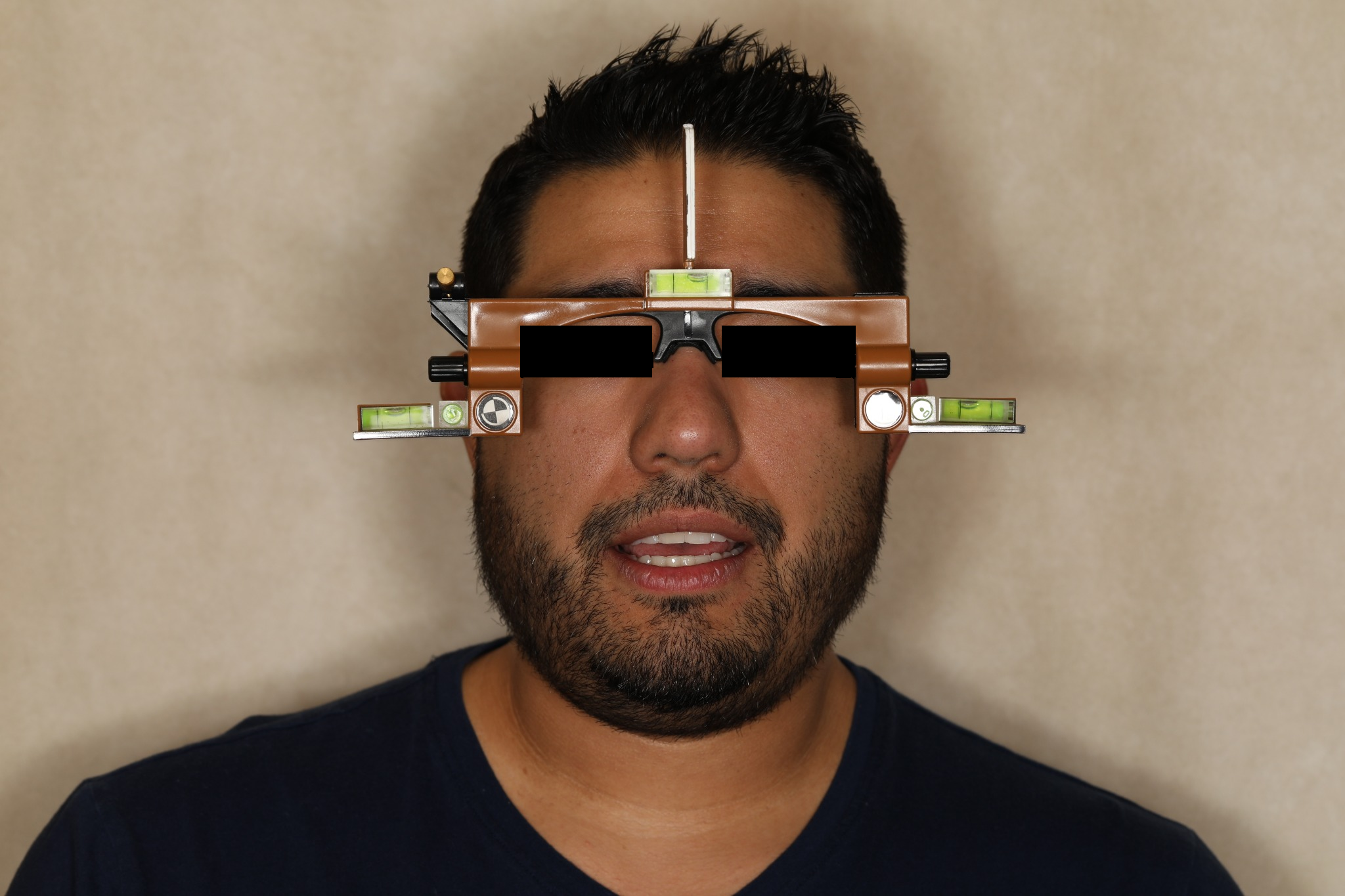
For example, your dentist may assess how much your front teeth overlap, whether certain teeth meet differently from the rest, and how the back teeth come together. A photograph of your smile shows only part of that picture.
The American Association of Orthodontists explains that clear aligner planning considers the teeth beyond those visible when you smile. That is why a small cosmetic concern can still deserve a careful assessment of the whole mouth.
Why does the examination come before the aligners?
Moving teeth requires an understanding of their health and the structures supporting them. A digital scan records the visible surfaces of your teeth, but it does not replace an examination or the diagnostic information provided by appropriate X-rays.
Before recommending treatment, your dentist reviews your health history, teeth and gums, bite, and relevant imaging. Existing crowns, implants, previous orthodontic treatment and other dental work also belong in that conversation. Cavities or active gum disease may need attention before tooth movement begins.
You can help by sharing what you have noticed, even if it seems unrelated to your smile: a change in how your teeth meet, difficulty chewing on one side, or dental work you are planning. These observations are useful starting points, rather than a diagnosis by themselves.
A smile preview starts a conversation
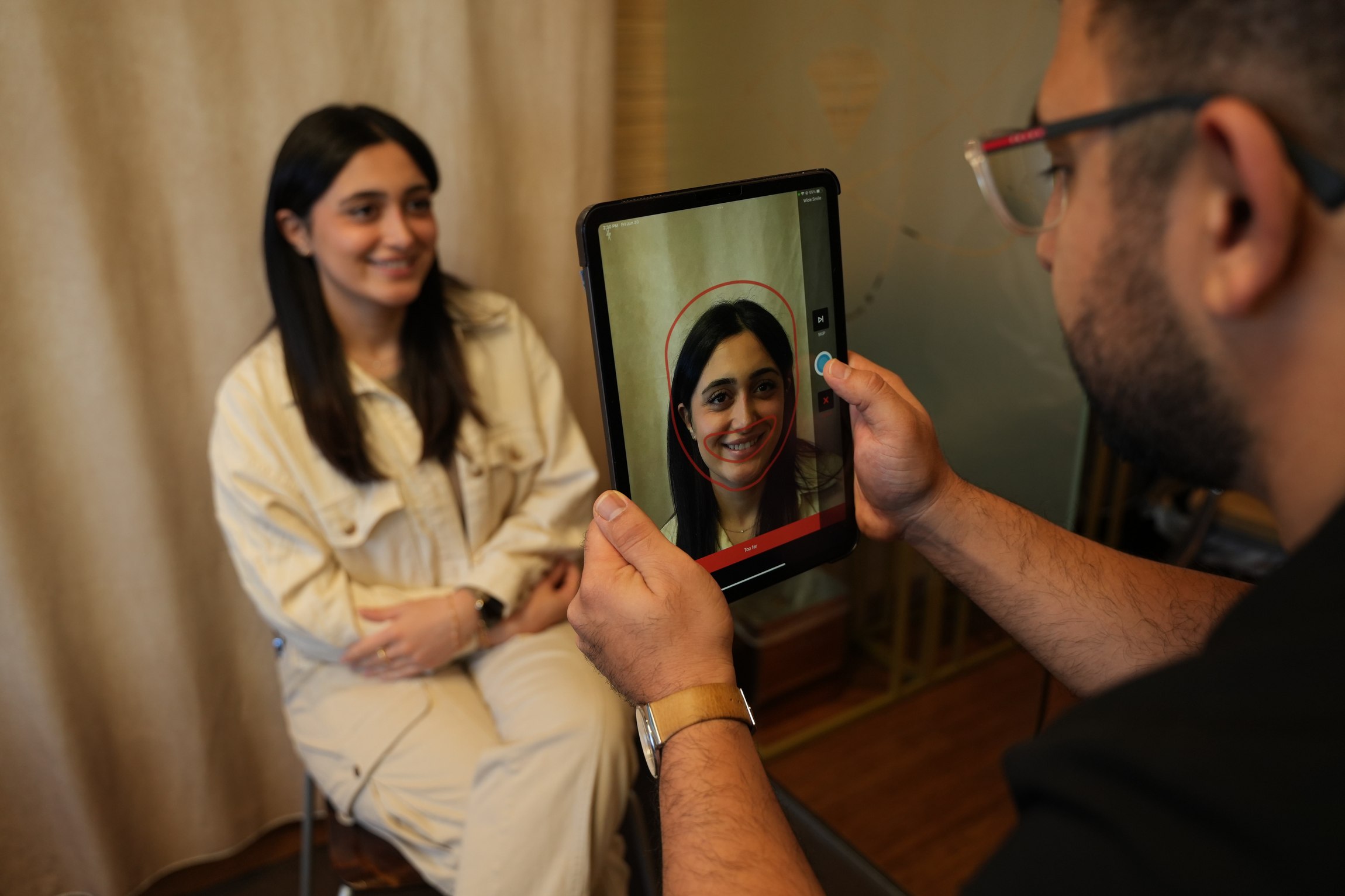
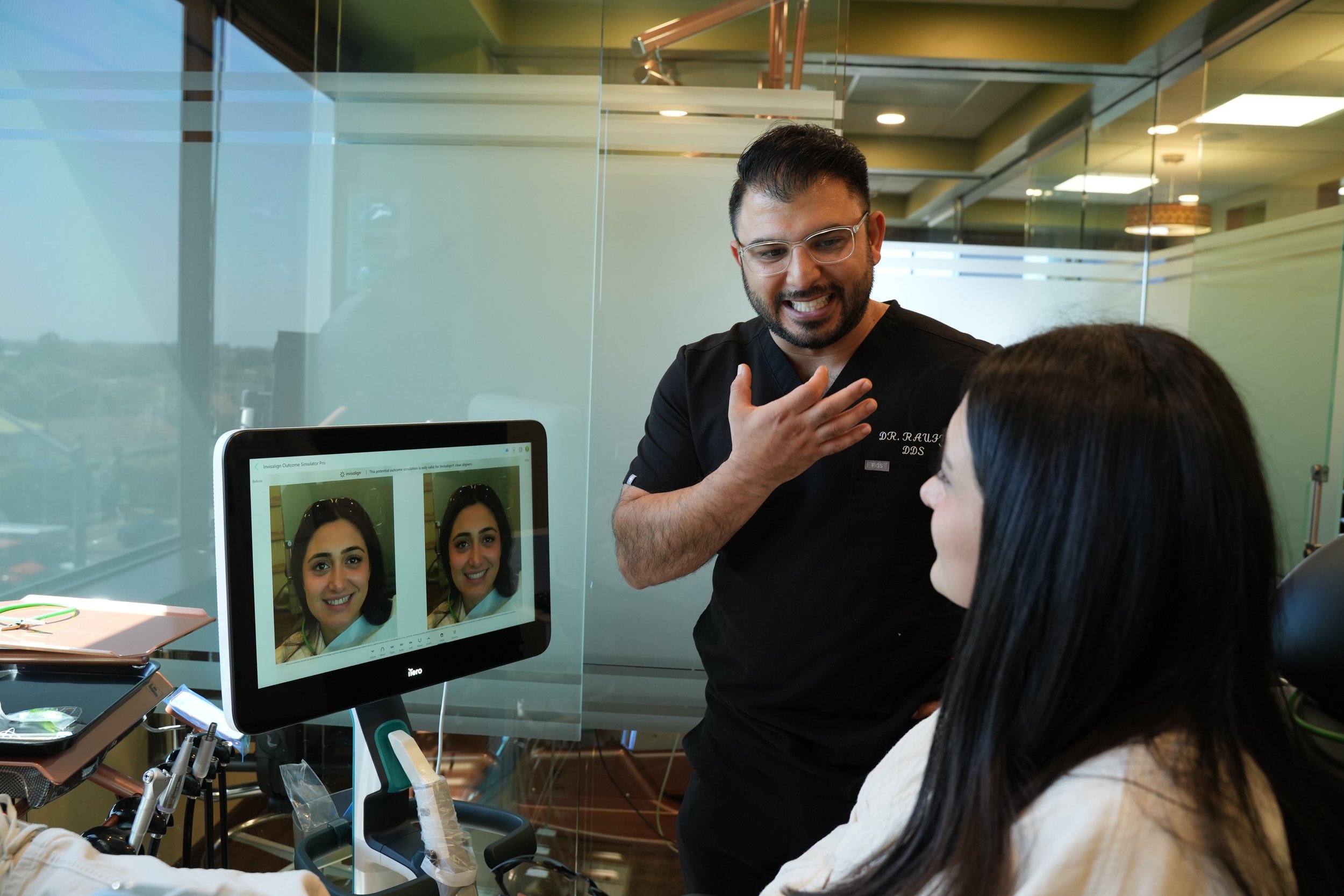
Seeing a digital version of a possible future smile can make your goals easier to discuss. You might notice a tooth position you had never thought about, or find it easier to explain the change you want.
A simulation is an illustration of possibilities, however. It does not establish that every movement shown is suitable for your teeth, and it cannot guarantee your final result. Align Technology describes its Outcome Simulator as an approximation that requires the treating doctor's review.
A useful question to ask while looking at your preview is: “Which parts of this picture are realistic for me, and what would treatment involve?” The answer should connect what you see on the screen with the findings from your examination.
How might your bite affect the treatment plan?
Two people with similar-looking crowding may need different plans. The proposed tooth movements, how the upper and lower teeth relate, and the complexity of the case all matter.
Some plans use small, tooth-colored attachments bonded to selected teeth. These provide surfaces for aligners to push against when guiding particular movements. The number and placement depend on the individual plan; needing attachments does not mean you have done anything wrong.
Clear aligners are also not the right answer for every orthodontic problem. Some situations may call for braces, additional assessment or specialist involvement. Ask your dentist to explain the available choices and their limitations before deciding.
What if Invisalign is part of a bigger smile plan?
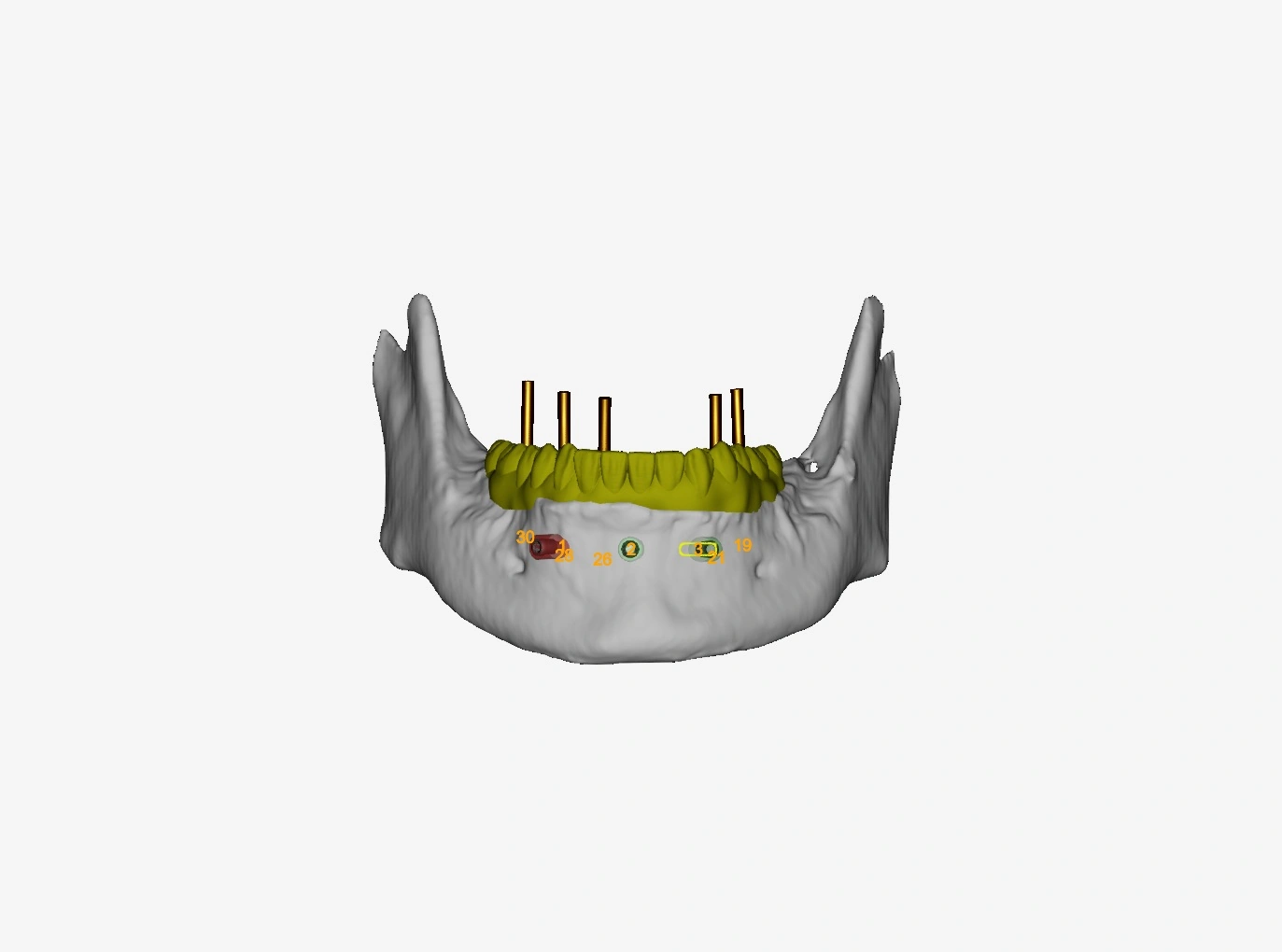
If you are also considering veneers, replacing a missing tooth or changing older dental work, bring those goals up early. It helps to discuss the intended sequence before committing to any one step.
Our smile makeover approach considers alignment, bite, facial appearance and existing restorations together. Whether Invisalign belongs in your plan, and when it would happen, depends on your examination and priorities. Not everyone seeking a cosmetic change needs aligners or a combination of treatments.
Four questions to take to your consultation
- What did you find about my bite? Ask to see the findings on your photographs, scan or other records.
- What are we aiming to change? Discuss both your visible smile goals and how your teeth fit together.
- What might make my plan more involved? Ask about attachments, additional records, alternatives and the estimated timeline.
- How will we check progress? Understand the follow-up schedule and whom to contact with concerns.
During treatment, wearing aligners as prescribed and keeping your follow-up visits give your treating dentist opportunities to assess progress. Let the office know if an aligner no longer fits as expected or if you notice a concerning change in your bite.
Your first step in Miramar
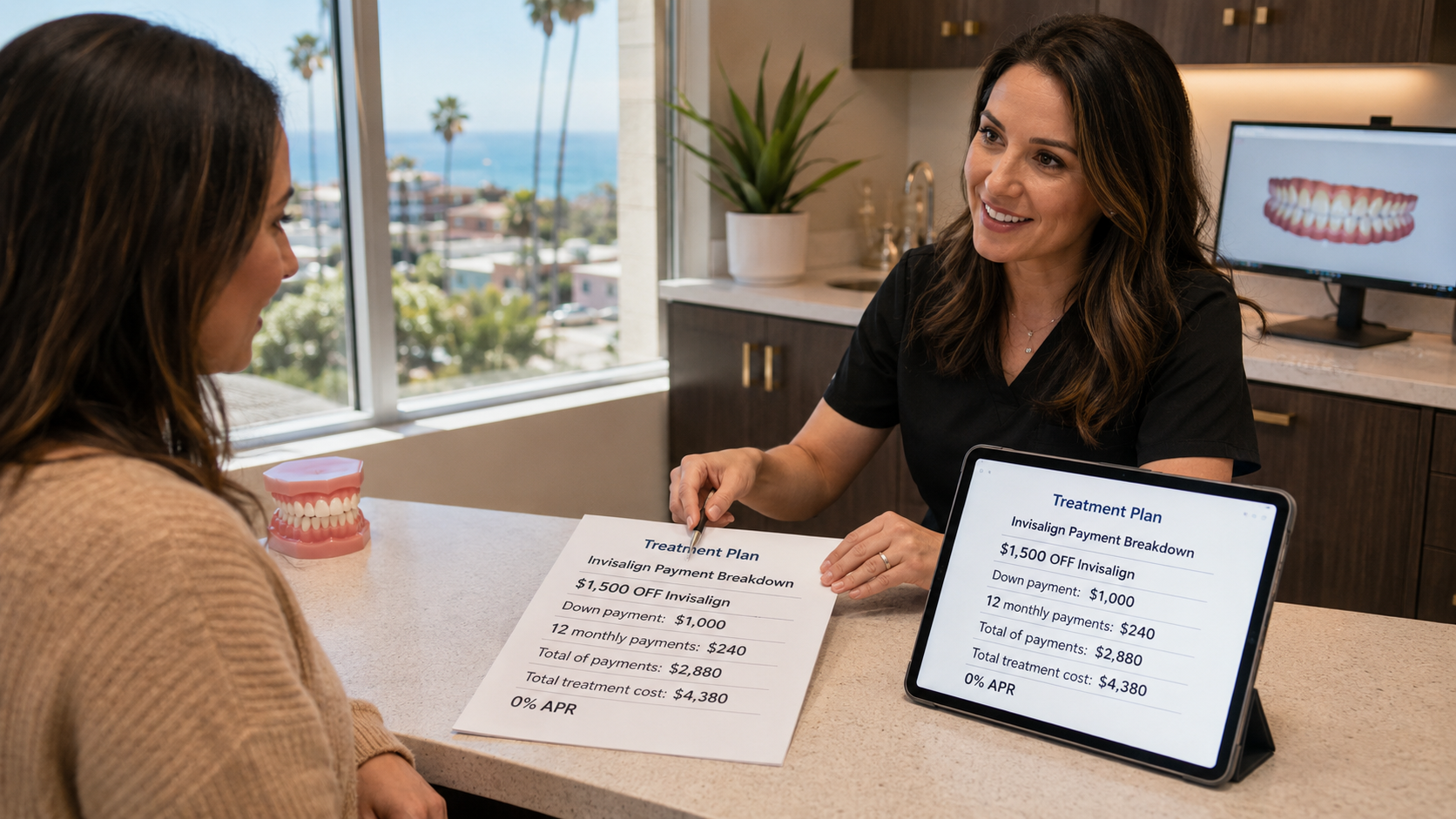
Our complimentary Invisalign consultation includes a comprehensive Invisalign exam, clinically indicated X-rays, an iTero digital scan and a smile simulation. It is a chance to explore your goals and ask questions before deciding whether treatment is right for you.
Request your Invisalign consultation at Flawless Dental Studio. We welcome patients from Miramar, Mira Mesa, Scripps Ranch and nearby San Diego communities.
Sources
Sources checked October 26, 2026. The simulator guide is cited for the distinction between a simulation and clinical treatment planning, not as a description of current software features.