Being told that a tooth may need to be removed can bring up an immediate concern: will you have to live with a gap in your smile? If you are considering a dental implant, you may wonder whether the tooth can be removed and replaced during the same appointment.
In selected cases, an implant can be placed on the day a tooth is removed. But placing an implant, receiving a temporary tooth, and completing your final crown are three different milestones. Understanding the difference can help you prepare for treatment with greater confidence.
Can the natural tooth be saved first?
Before discussing an implant, it is important to establish whether your natural tooth can reasonably be preserved. An examination and appropriate imaging help determine whether a restoration, root canal treatment, or another approach is appropriate. If removal is recommended, replacement planning can begin before the extraction.
What does a same-day implant mean?
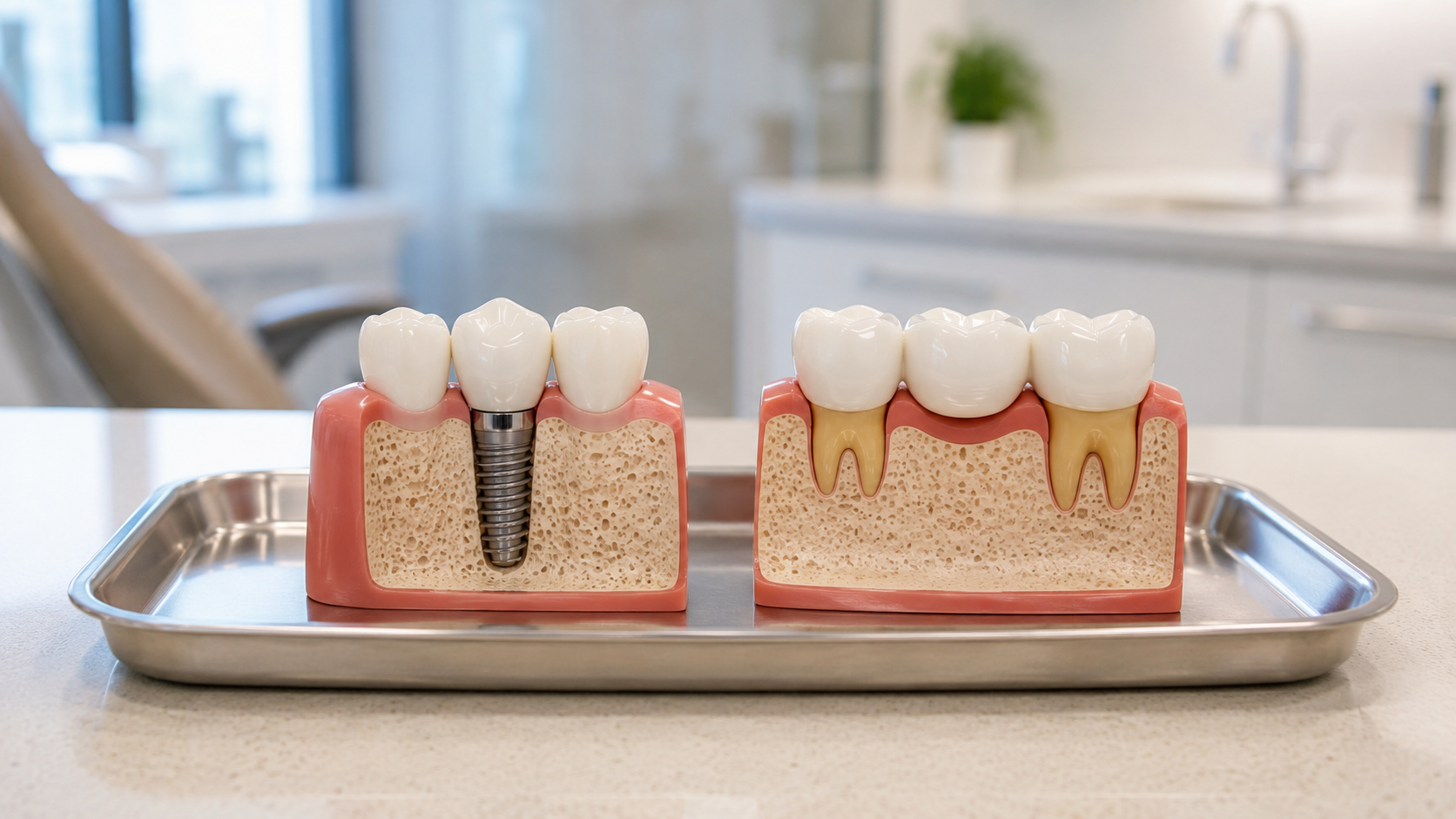
A dental implant is a small post placed in the jawbone to support a replacement tooth. A crown is the visible portion, while an abutment connects it to the implant.
Immediate implant placement means inserting the implant during the extraction appointment. In some cases, a temporary crown can also be connected soon afterward. In other cases, the implant needs to heal without a crown attached. The timing of the implant and the timing of the replacement tooth are separate clinical decisions.
Even when you leave with a temporary tooth, the implant still needs time to heal. A same-day procedure does not mean that the entire treatment is complete.
What determines whether you are a candidate?
At Flawless Dental Studio, implant planning considers your oral health, bite, medical history and goals. For an immediate implant, the condition of the extraction site is especially important.
- Bone support: There must be enough suitable bone to secure the implant in the planned position.
- Gum tissue: The shape and thickness of the tissues matter, particularly around a front tooth.
- Infection and damage: The condition of the socket and surrounding tissues may make a staged approach more appropriate.
- Your health and healing: Smoking, poorly controlled diabetes and other health considerations can influence the recommendation.
- Your bite: The forces on a temporary crown need to be considered before deciding whether to attach one.
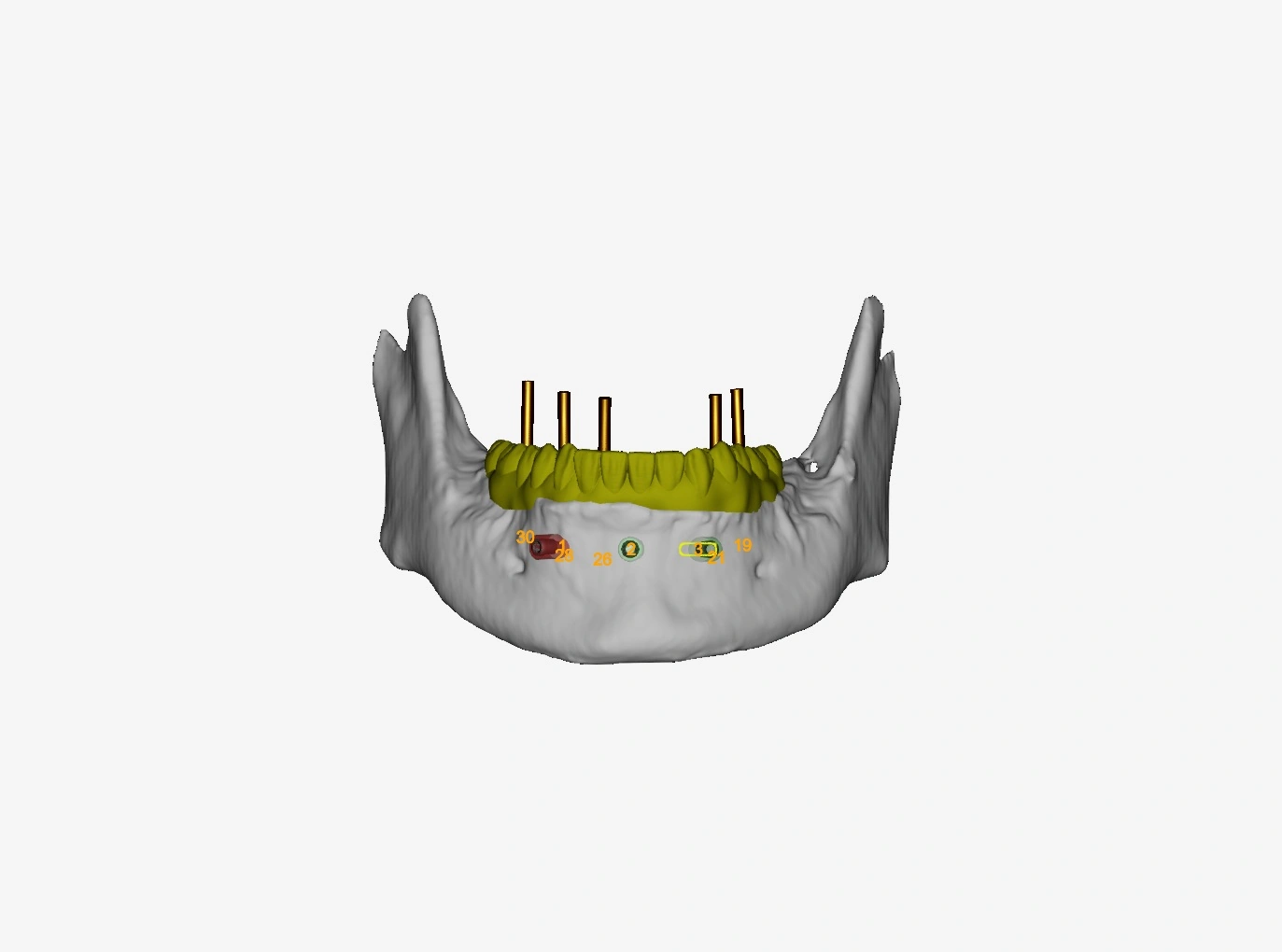
Three-dimensional imaging, when indicated, can help assess the available bone and nearby anatomy. However, the final decision may also depend on what your dentist finds after removing the tooth. A good plan includes an alternative if immediate placement is not appropriate.
Why might waiting be the better choice?
Sometimes the socket needs time to recover, or the surrounding bone needs additional support. Bone grafting may be recommended to help prepare the site. Depending on your situation, an implant may be placed after initial gum healing or after a longer period of bone healing.
International Team for Implantology consensus recommendations recognize several approaches to placement and restoration timing. They emphasize choosing a protocol around the individual patient and site, rather than using immediate treatment routinely.
A staged approach is not necessarily a setback. It may give your dentist a more suitable foundation for the restoration you are working toward.
Will I have a gap while I heal?
Tell your dentist if you are concerned about your appearance at work, during social events, or in photographs. Depending on the location and treatment plan, a temporary replacement may be possible even when it cannot be attached to the implant itself.
Ask how the temporary tooth will be supported, whether you can chew with it, and what to do if it becomes loose. A temporary restoration is designed for a different stage of care than your definitive crown, and you may need to avoid biting directly on it.
When will I receive my final crown?
During healing, bone forms a connection with the implant, a process called osseointegration. Your dentist evaluates healing before deciding when to proceed with the final restoration. The FDA notes that implant healing can take several months or longer.
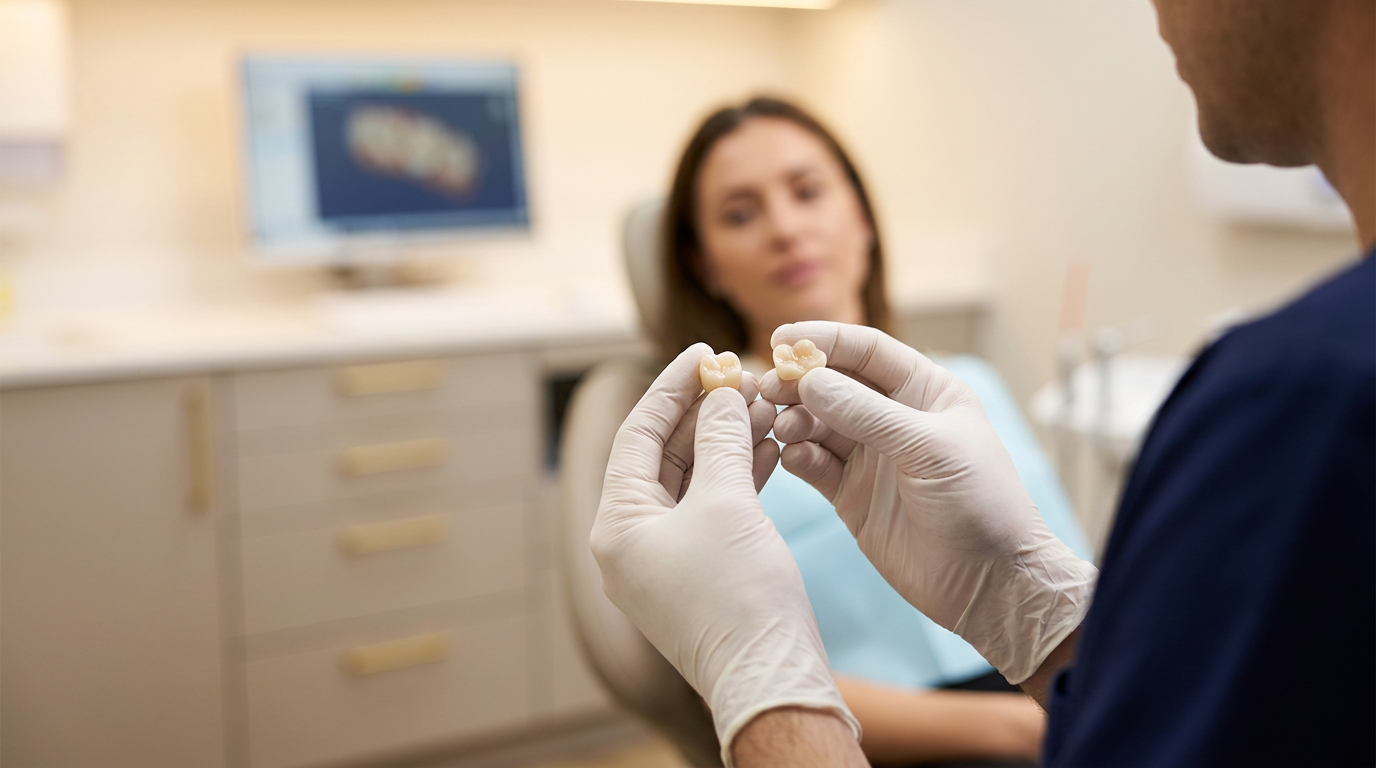
Once the site is ready, the final crown is designed around the surrounding teeth, gum contour and bite. Healing and appearance vary from person to person, so a consultation estimate is not a guaranteed completion date.
Questions to bring to your consultation
- Is my tooth suitable for preservation, or is extraction recommended?
- Could an implant be placed immediately, and what is the alternative if it cannot?
- What temporary tooth options are appropriate for me?
- How will we know when the implant is ready for the final crown?
After treatment, follow your individualized cleaning and eating instructions and attend your follow-up visits. Contact your dental team promptly if you experience unexpected pain or looseness. Implants can develop complications and require ongoing professional care.
Plan your next step before the extraction
Whether you are replacing a front tooth or a back tooth, you deserve to understand the sequence before deciding. Explore our dental implant options.
Request a consultation at Flawless Dental Studio on Miramar Road in San Diego. We can discuss your goals, examine the tooth and explain the next steps appropriate for you.
Sources